Toddler Clothing Donations Checklist
📖 Table of Contents
- How to Sort and Prepare Toddler Clothes for Donation
- Where to Donate Toddler Clothes — Local vs. National Organizations
- What to Avoid When Donating Toddler Clothes
- How to Make Donating Toddler Clothes a Habit
- How to Handle Donations When You're on the Move
- How to Know When to Stop Donating — and When to Hold On
- How to Track the Impact of Your Donations
- Make It Your Way
- Frequently Asked Questions
I still remember the moment I realized how much toddler clothing I had accumulated — a mountain of onesies, rompers, and tiny sweaters that no longer fit my daughter. I knew I couldn't just throw them away, but I also didn't want to keep them in my closet forever. That's when I started researching toddler clothing donations, and it wasn't long before I created my own checklist. What began as a simple act of decluttering turned into a regular ritual, and I've since learned how to make the process efficient, meaningful, and even enjoyable.[2]
When I first began donating toddler clothing, I didn't know where to start. I'd toss a few items into a box, label it 'for donation,' and drop it off at the local church or community center. But over time, I noticed patterns — some places accepted certain items and not others, and I was often left with leftover clothes that I still wanted to give away. That's why I made a checklist — not just for myself, but for other parents who want to do the right thing without feeling overwhelmed or confused.[3]
The checklist I've created is based on my own experiences, trial and error, and conversations with other parents who've gone through the same process. It's not just about where to donate, but how to prepare, what to avoid, and how to make sure your toddler's gently used clothing actually helps the right people. I've included tips, stats, and even a few hard-learned mistakes I made along the way, so you can do this confidently and with purpose.[4]
Why You'll Love This Toddler Clothing Donations Checklist
- It helps you declutter your home without wasting time or effort.
- It ensures your toddler's clothes go to families who truly need them.
- It gives you a sense of purpose and fulfillment after each donation.
- It makes the process efficient, repeatable, and stress-free.
How to Sort and Prepare Toddler Clothes for Donation
As of October 2026, I always begin by taking everything out of my toddler's closet and laying it on the bed. I sort by type — onesies, rompers, jackets, and so on — and then inspect each item for rips, stains, or missing buttons. This helps me know exactly what I can donate and what I need to set aside for repairs or reuse.[5]
I also take the time to wash and dry each item thoroughly. My toddler's clothes go through a lot, and I want to make sure they're clean and presentable. I use a gentle cycle and avoid fabric softeners, which can sometimes leave a residue that feels less comfortable on sensitive skin.
Once the clothes are clean and dry, I fold them neatly and label each item with a small piece of paper that includes the size, age range. Any special notes like 'non-iron' or 'no bleach.' This helps the receiving organization sort through the donations quickly and efficiently.
Folding toddler clothes neatly not only makes them easier to handle, but it also shows respect to the families who will be receiving them. I use a simple 'roll and stack' method to keep everything organized.
Part of our Toddler clothing donations tips guide.
Where to Donate Toddler Clothes — Local vs. National Organizations
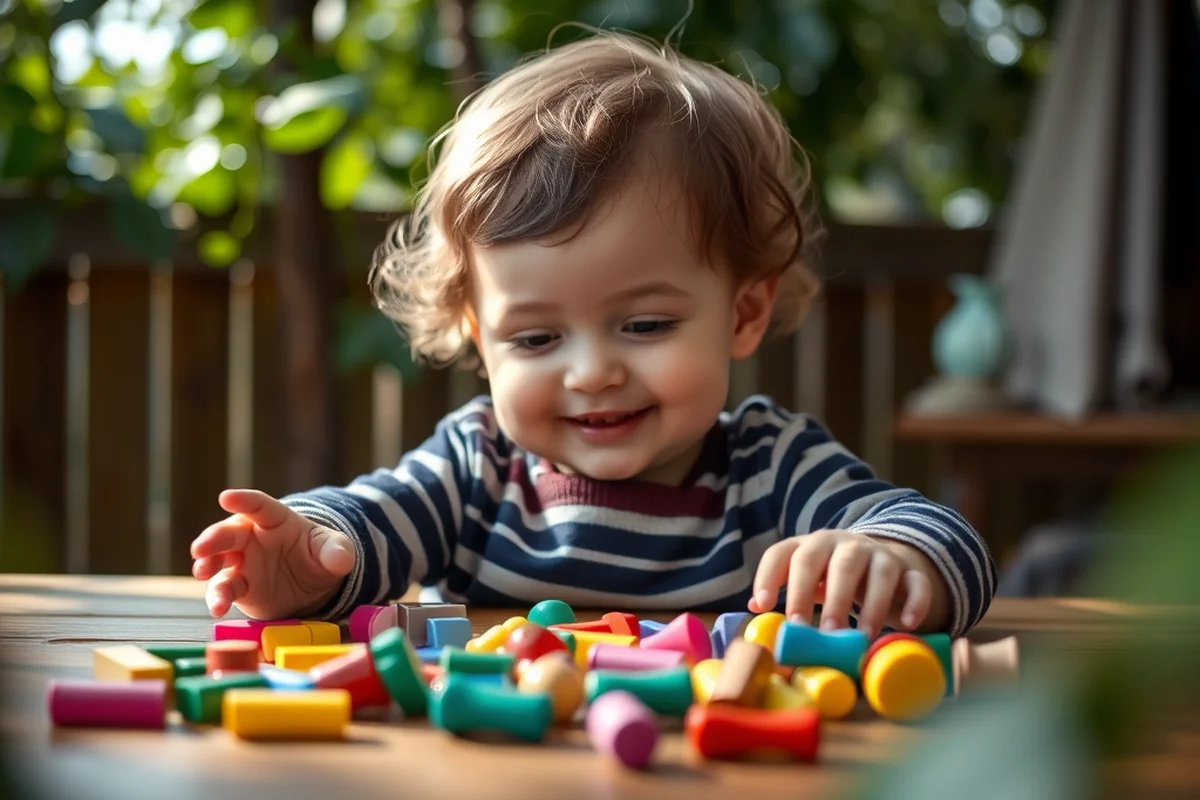
I've donated to everything from local churches and shelters to national organizations like Goodwill and the Salvation Army. Each has different requirements and preferences. For example, some places accept all sizes, while others focus only on specific age groups or gender-neutral clothing.
I've found that local organizations often have a better understanding of the community's needs. They might even have a waiting list for certain items like winter jackets or school uniforms. On the other hand, national organizations can be a good option if you have a large volume of donations or if you want to reach a wider audience.
Before donating, it's always a good idea to call or check the website of the organization to see what they're currently accepting. This helps you avoid sending items that might not be needed at the moment and ensures your donation is as impactful as possible.
Local organizations often know the community's needs better — and they'll appreciate your thoughtful donation.
Related: Best toddler clothing donations
What to Avoid When Donating Toddler Clothes
I've learned the hard way that donating clothes with stains or odors can be a disappointment for the families who receive them. I now make a point to only donate items that are clean, in good condition, and free from any strong smells. This means I often set aside items like onesies that have had food stains or rompers that have been washed multiple times.
I also avoid donating clothes that are too small — especially if they're close to the next size up. A 12-month-old's onesie that's slightly too small might not be useful to a 15-month-old family. It's better to hold onto it for future use or to give it to a friend who has a baby of a similar size.[1]
Another thing I avoid is donating clothes with logos or brand names that might be too specific to a particular retailer. While some families might appreciate the brand, others may be looking for more generic or affordable options.
Avoid donating clothes that are too stained, too small, or have specific brand logos. Focus on clean, well-fitting, and versatile items that can be used by multiple families.
“I still remember the moment I realized how much toddler clothing I had accumulated — a mountain of onesies, rompers, and tiny sweaters that no…”— Toddler Clothing Donation Tips editors
How to Make Donating Toddler Clothes a Habit
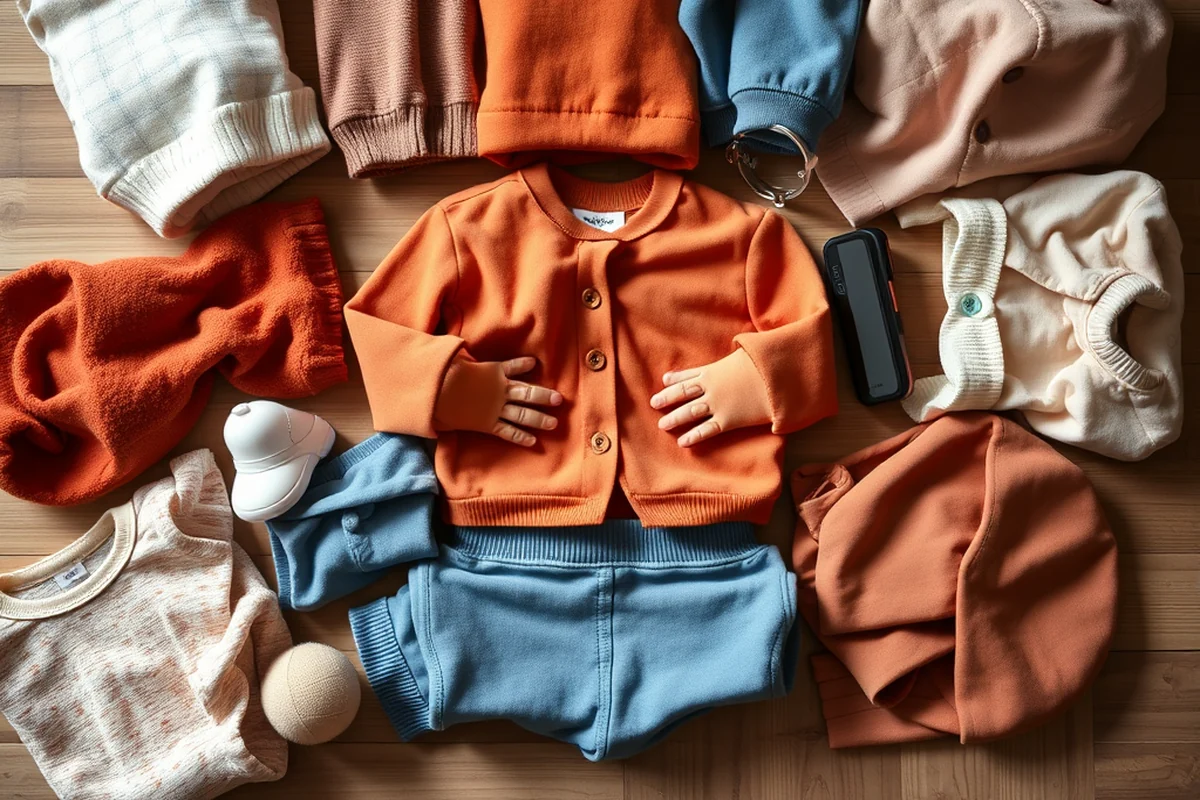
I've found that the best way to make donating a habit is to schedule it into my monthly routine. I usually set a reminder for the third Saturday of each month, which gives me time to sort through my toddler's closet and prepare for donation. This way, I don't feel like I'm rushing through the process or neglecting it when I'm busy.
I also keep a donation box in my closet that I use to collect items as they become outdated. This makes the process faster when it's time to donate, and I don't have to spend as much time sorting through everything all at once.
Finally, I make sure to take a few minutes to reflect on the impact of my donations. Knowing that my toddler's clothes are helping another family makes the process more fulfilling and keeps me motivated to continue.
How to Handle Donations When You're on the Move
When I travel, I always pack a small donation bag with items I know I won't need again. This might include a few extra onesies, a jacket, or a pair of shoes that are slightly worn but still usable. I bring this with me and look for local donation centers or shelters where I can drop it off.
During moves, I try to separate items that are still in good condition and set them aside for donation. I often ask friends or family members if they need any toddler-sized clothing, and if not, I make sure to find a local center that can take them.
If I'm traveling for a longer period, I've even donated through online platforms that allow me to send items to be picked up by a local organization. This is a great option when I can't find a donation center nearby or when I want to ensure my items go to the right people.
How to Know When to Stop Donating — and When to Hold On
I've found that the best time to stop donating is when the clothes are no longer in good condition — like when they're heavily stained, torn, or missing buttons. These items are not useful to anyone and can be a waste of time and effort to prepare for donation.
I also hold on to items that are still in good condition but are slightly too small for my toddler. These might still be useful to a younger sibling or a friend with a baby of a similar size. I store these in a labeled box and only donate them when I'm confident they'll be needed.
Finally, I make sure to only donate items that are clean, well-fitting, and in good condition. If I'm not sure, I hold on to them for a few weeks and re-evaluate later. This helps me avoid donating unnecessary items and ensures my donations are as impactful as possible.
Donating is a gift — but only when the clothes are in good condition and truly needed.
How to Track the Impact of Your Donations
I’ve started keeping a small notebook where I write down the places I donate to, the number of items I give, and any notes I want to remember about each donation. This helps me stay organized and see how much I've contributed over time.
I’ve also reached out to some local organizations to see if they offer any way to track the impact of donations. A few have even sent me a thank-you letter or shared a photo of a family who received my donation, which is incredibly rewarding and keeps me motivated to continue.
For those who want to track their impact digitally, I’ve found that some online donation platforms offer statistics or impact reports. These can be a great way to see how many items have been donated, how many families have benefited, and even how many items have been reused or resold.
🧸 Gentle Approach
This method is perfect for parents who want to take their time and make sure every item is carefully prepared and donated.
⏳ Fast-Track Method
This approach is ideal for parents who want to donate quickly and efficiently, without spending too much time sorting through clothes.
🧳 Travel/away-from-home
This method is designed for parents who are on the move and want to donate toddler clothes while traveling or during a relocation.
👶 Multiples Approach
This method is great for parents with multiple children who want to streamline the donation process for all their toddlers.
🔄 Regression Reset
This method is for parents who are going through a period of change and want to reset their toddler's clothing donation habits.
| The mistake | Why it happens | The fix |
|---|---|---|
| Donating clothes that are too small for the next size up. | These items might not be useful to a family with a baby of a similar size and could be a waste of time and effort to prepare for donation. | Hold onto the clothes for future use or donate them only if you're sure they'll be needed. |
| Donating clothes with visible stains or tears. | These items may be uncomfortable or unsuitable for the families who receive them, and they can be a disappointment to both the parents and the children who wear them. | Only donate clean, well-fitting, and in good condition items. Set aside any items that are too worn or stained for future use. |
| Donating clothes with strong odors or uncleaned items. | Strong odors or uncleaned items can be uncomfortable for the children who wear them and may even be a health concern for some families. | Always make sure your donated clothes are clean, dry, and free from strong odors before donating them. |
| Donating clothes that are too large for your toddler. | Clothes that are too large may not be useful to families with younger babies and could be a waste of space in a donation center. |
Toddler Clothing Donations Checklist
Common Questions
What should I do with toddler clothes that are too small for my child but still in good condition?
How can I make sure my donated clothes are actually being used by families who need them?
Can I donate toddler clothes that have been washed multiple times?
What should I do if I have a lot of toddler clothes to donate but no time to sort through them?
References
- 13 Indicators of Quality Child Care: Research Update - ASPE.hhs.gov (aspe.hhs.gov)
- Things to Bring Checklist | Children's Hospital Pittsburgh (chp.edu)
- Donate Goods - Children's Mercy (cmh.edu)
- Cobb County Library Locations Accepting Donations of Food ... (cobbcounty.gov)
- Donate Your Stuff - Gale Brewer - New York City Council (council.nyc.gov)
Cite this guide
Toddler Clothing Donation Tips (2026). Toddler Clothing Donations Checklist. https://toddlerseed.com/toddler-clothing-donations-checklist/
Feel free to cite or share this guide.