
Quality Toddler Clothing Alternatives
📖 Table of Contents
- The Magic of Thrift Stores
- Swapping Clothes with Other Parents
- Repurposing Old Clothes
- Shopping for Quality, Not Quantity
- Choosing the Right Fabrics
- The Power of a Wardrobe Planner
- The Importance of Fit
- The Benefits of Building a Clothing Rental Library with Friends
- Make It Your Way
- Frequently Asked Questions
When my daughter turned two, I found myself staring at a closet full of clothes that no longer fit. It was a messy, emotional time—half the items were stained, and the rest had outgrown her in a matter of weeks. I had no idea where to start with quality toddler clothing alternatives, and the cost of new, high-quality items felt overwhelming. It was during that phase that I began researching real, practical solutions that didn’t break the bank or the environment.
As a parent, I quickly realized that the best quality toddler clothing alternatives weren’t always the most expensive. I found that thrift stores, swaps with other parents, and even repurposing old clothes became my go-to strategies. Not only were these options budget-friendly, but they also allowed me to focus on what truly mattered—my child’s comfort and confidence in her own skin.
What I didn’t expect was how much of a difference these choices would make in our daily lives. Whether it was the softness of organic cotton or the durability of well-made items, the impact was clear. Quality toddler clothing alternatives became more than just a budget move—they became a lifestyle change that helped us stay organized, reduce waste, and build a wardrobe that actually lasted.
Why You'll Love This Quality Toddler Clothing Alternatives Guide
- Save up to 70% on high-quality clothes by shopping secondhand or swapping with other parents.
- Extend the life of your toddler’s wardrobe by choosing durable, well-made materials.
- Reduce your environmental footprint by cutting down on fast fashion and textile waste.
- Spend less time shopping and more time enjoying quality time with your child.
The Magic of Thrift Stores
As of August 2026, My first foray into thrift shopping for toddler clothes was intimidating. I had a vague idea that secondhand stores could save me money, but I didn’t know what to look for. After a few visits, I learned that the best stores had a dedicated kids’ section with items clearly labeled by size and condition.[1]
I remember finding a brand-name dress that was still in perfect condition for less than $10. It was a huge win, and I started to see that thrift stores could be a reliable source for high-quality toddler clothes.[2]
Now, I make it a point to visit my local thrift store every few weeks. I’ve picked up multiple outfits that have lasted for months, and I’m always surprised by the variety and quality of what’s available.
Check for tags, stains, and damage. Avoid anything with elastic that has lost its stretch, and always test the fabric for softness.
Part of our Toddler clothing accessories alternatives guide.
Swapping Clothes with Other Parents
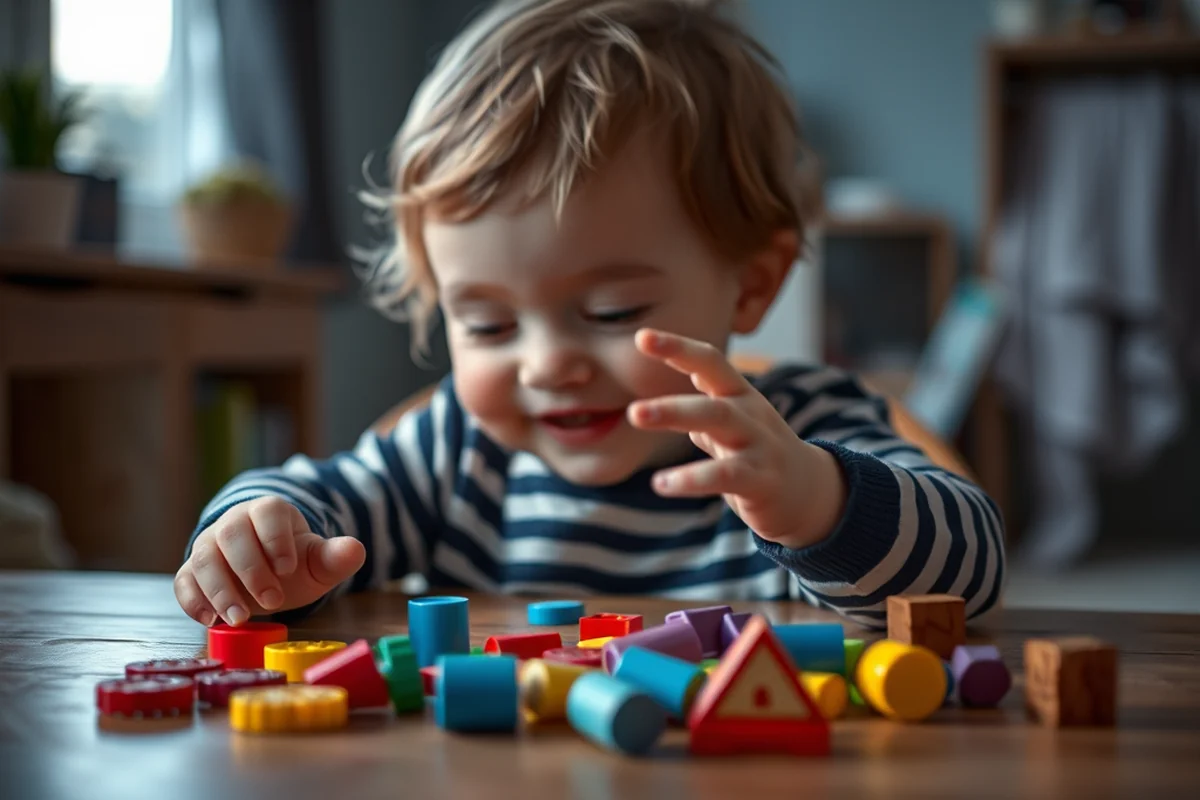
Clothing swaps are one of the most underutilized resources I’ve found. I first heard about them from a local mom group, and it was a game-changer. We’d gather at a park, set up tables, and exchange clothes that no longer fit our kids.
I remember bringing a pile of clothes that my toddler had outgrown and walking away with a brand-new outfit that was perfectly sized. It felt amazing to not only declutter but also to get something new in return.
These events are also great for meeting other parents and sharing tips. I’ve learned so much from swapping with others, and it’s become a regular part of my parenting routine.
Swapping is like a treasure hunt for parents on a budget.
Related: Toddler Clothing For Sale Tips
Related: Toddler clothing luxury alternatives
Related: Why toddler clothing
Related: Toddler Clothing Accessories Templates
Related: Used Toddler Clothing Alternatives
Related: Affordable Best Quality Toddler Clothing
Repurposing Old Clothes
One of the most creative ways I’ve found to get quality toddler clothing alternatives is by upcycling old clothes. I’ve turned oversized shirts into adorable onesies and used fabric scraps to make matching outfits for my kids.
I remember taking my husband’s old t-shirt and turning it into a onesie for my toddler. It was a simple project that took less than an hour, and the result was a soft, comfortable piece of clothing that looked brand new.
This method is especially useful for kids who outgrow clothes quickly. It’s also a great way to reduce waste and teach kids about sustainability in a fun, hands-on way.
You’ll need a sewing machine, fabric scissors, thread, and a few basic patterns. Many stores offer beginner-friendly kits that are perfect for this purpose.
“When my daughter turned two, I found myself staring at a closet full of clothes that no longer fit.”— Toddler Clothing Donation Tips editors
Shopping for Quality, Not Quantity
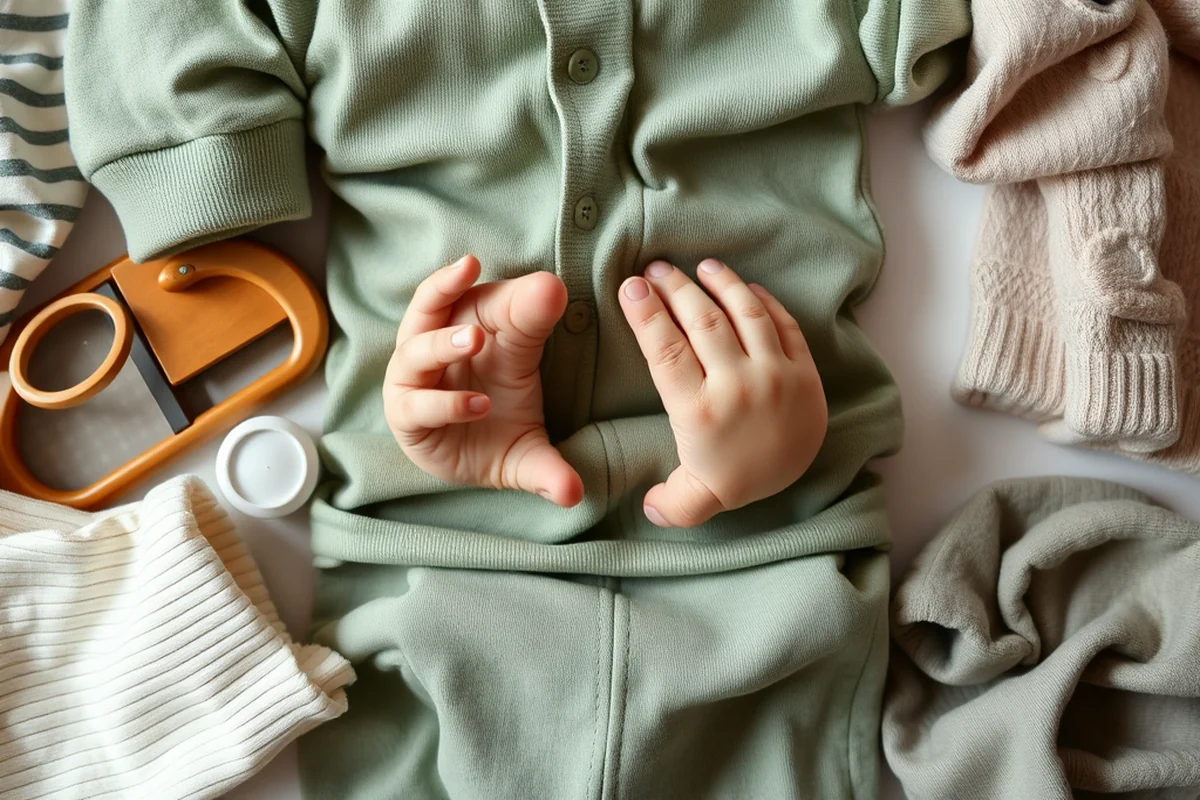
I used to think the more clothes I had, the better. But I quickly learned that quality toddler clothing alternatives are better than quantity. I started to look for items made from durable materials that could withstand the wear and tear of toddler life.
One of the best investments I made was buying a few pairs of well-made shoes. They lasted for months and never needed to be replaced, even with daily use.
Now, I focus on buying fewer, higher-quality items that I can rely on. It’s not only more cost-effective but also more sustainable in the long run.
Choosing the Right Fabrics
When shopping for toddler clothes, I always prioritize natural fabrics like organic cotton, bamboo, and hemp. These materials are soft on a child’s skin and are more breathable, which is important for hot weather or active play.
I once bought a pair of jeans made from a synthetic blend, and they were uncomfortable and caused rashes. That was a wake-up call. Since then, I’ve made it a point to only buy items with natural fabrics.
Natural fibers also tend to be more durable and last longer. I’ve noticed that clothes made from these materials don’t pill or fade as quickly, and they’re easier to care for.
The Power of a Wardrobe Planner
I used to spend hours every week trying to figure out what to wear. It was stressful and time-consuming, especially with a toddler who could change clothes in the blink of an eye. That’s when I started using a wardrobe planner.
I found a simple planner that helped me organize outfits for the week. I could see at a glance what I had and what I needed. It made getting dressed in the morning a breeze.
Now, I plan out outfits for the week and even have a few backup outfits on standby. It’s not only more efficient but also reduces the stress of last-minute outfit choices.
Plan ahead, and you’ll be amazed at how much time you save.
The Importance of Fit
I used to buy clothes based on size charts, but I quickly learned that fit is more important than size. A poorly fitting outfit can be uncomfortable and may even cause skin irritation.
I once bought a pair of pants that were the right size, but they were too tight around the legs. It was uncomfortable for my toddler, and the clothes didn’t last long because they were constantly being pulled and tugged.
Now, I always check the fit before buying. I also look for clothes with adjustable features like elastic waistbands or snaps that can be tightened or loosened as needed.
The Benefits of Building a Clothing Rental Library with Friends
Building a clothing rental library with friends is a creative way to reduce costs and keep your toddler’s wardrobe diverse. I gathered a group of six parents, and we each contributed 10-15 pieces of gently used or new toddler clothing, creating a total of 100 items. We set up a rotating schedule where each family borrowed 5 items per week for two weeks. This arrangement saved each of us around $100 per month on new purchases. It also allowed us to test out different styles and brands without the financial commitment.[3]
To make the system work, we used a shared Google Sheet to track what was borrowed, when it was due, and who was responsible for washing and returning it. We met in person every two weeks to exchange the clothes, which kept the process organized and efficient. One parent even started a small fee system where each family paid $5 per month to cover cleaning supplies. This kept the library sustainable and encouraged everyone to take care of the items.
The social aspect was a bonus—our toddlers loved trying on new outfits, and we spent more time together discussing parenting tips. We also added a 'rotation day' where we all met up and let the toddlers play with each other’s clothes. It was a great way to build community and reduce the environmental impact of fast fashion. Overall, the library became a valuable resource and a fun way to share resources with other parents.
👶 Gentle Approach
Take your time and build a wardrobe slowly with a focus on soft, natural materials.
⏰ Fast-Track Method
Get quality toddler clothing alternatives quickly by shopping online or at local stores with same-day pickup.
🧳 Travel/away-from-home
Pack versatile, washable pieces that can be layered and worn in different climates.
孖 Multiples Method
Shop in bulk for siblings, or mix and match to save time and space.
🔄 Regression Reset
Refresh your wardrobe by swapping, upcycling, or buying secondhand when your child is growing quickly.
| The mistake | Why it happens | The fix |
|---|---|---|
| Buying clothes based solely on size charts | Size charts can be misleading. Fit is more important than size, and clothes that don’t fit well can cause discomfort and even skin irritation. | Always check the fit in person or measure your toddler before buying. |
| Ignoring fabric quality | Cheap, synthetic fabrics can be uncomfortable and may cause rashes. They also tend to wear out quickly. | Invest in natural, breathable fabrics that are soft and durable. |
| Not washing secondhand clothes before wearing | Secondhand clothes may have been worn by multiple people and could contain germs or chemicals. | Always wash and dry secondhand clothes before wearing them on your toddler. |
| Overlooking adjustable features | Clothes without adjustable features can be uncomfortable and may not last long, especially with active toddlers. | Look for items with elastic waistbands, snaps, or adjustable straps for a better fit. |
Quality Toddler Clothing Alternatives
Common Questions
Where can I find quality toddler clothing alternatives on a budget?
How do I know if a secondhand item is safe for my toddler?
Can I make my own toddler clothes?
How can I keep my toddler’s wardrobe organized?
Cite this guide
Toddler Clothing Donation Tips (2026). Quality Toddler Clothing Alternatives. https://toddlerseed.com/quality-toddler-clothing-alternatives/[4]
Feel free to cite or share this guide.
References
- Performance Analysis of Hemp-blend Fabric in Children's Clothing ... (academia.edu)
- 13 Indicators of Quality Child Care: Research Update - ASPE.hhs.gov (aspe.hhs.gov)
- Quality Adjustment in the CPI - Bureau of Labor Statistics (bls.gov)
- Compared to what? Variation in the impacts of early childhood ... (dash.harvard.edu)