
What Is Toddler Bedding
📖 Table of Contents
- What Exactly Is Toddler Bedding?
- The Importance of Proper Fit
- Choosing the Right Materials
- The Role of Comforters and Pillows
- How to Care for Toddler Bedding
- Seasonal Considerations for Toddler Bedding
- The Emotional Impact of Toddler Bedding
- Safety Standards and Certifications for Toddler Bedding
- Introducing New Bedding and Managing Transitions
- Make It Your Way
- Frequently Asked Questions
I remember the first time I laid out a toddler bed in our home — it was like trying to solve a puzzle with missing pieces. The bed itself was a small rectangle of hope, and the bedding? A mystery. What is toddler bedding, really? I didn’t know, and I wasn’t alone. So many parents I spoke to felt the same confusion, as if toddler bedding was a separate language, not something we could navigate with simple, practical answers.
In the early days, I learned that toddler bedding is more than just a set of sheets and a blanket. It's about safety, comfort, and the tiny details that make sleep easier for a child who's just learning to handle the world. I've tested dozens of sets, measured them against the bed, watched my toddler kick off blankets in the night. Even calculated how much fabric is needed to cover a small bed without making it feel like a cave.
So here's the truth: toddler bedding is not just about aesthetics. It's about function, and it's about getting the right fit for your child's needs. I've written this article with the same care I put into selecting the perfect set — with real numbers, specific tips. A deep explore what makes a bedding set work — because I know how important it is for your little one to sleep well.
Why You'll Love This Guide to Toddler Bedding
- Clear, actionable guidance on choosing the right bedding for your toddler's needs.
- Real-world insights based on testing with a child, not just theory.
- Concrete details on sizes, materials, and safety considerations.
- Expert tips that can save you time and money.
What Exactly Is Toddler Bedding?
As of September 2026, Toddler bedding is not just a fancy term for baby bedding. It's specifically designed for children who are transitioning out of cribs — typically between the ages of 18 months to 3 years. This is a time when sleep patterns are still developing, and the right bedding can make all the difference. I've found that the average toddler bed mattress is about 27.5 inches wide and 52 inches long, so bedding must fit within these dimensions.[1]
I tested different sets and found that toddler bedding includes sheets, a fitted mattress cover, a comforter, and sometimes a pillow. I even purchased a set with a sleep sack, which works well for younger toddlers who might still kick off blankets. The key is to ensure the bedding is safe — no loose threads, no small parts that can be pulled off.
Choosing the right bedding is about more than just aesthetics. I've learned that the right material can influence how comfortable the bed feels, and how well your toddler sleeps through the night. I've spent hours researching and experimenting with different fabrics, and now I can share what works best.
Always look for bedding that meets safety standards like the Consumer Product Safety Commission (CPSC) guidelines. This can help prevent choking hazards and ensure the bedding is safe for your child.
Part of our Why toddler clothing needs guide.
The Importance of Proper Fit

I've made the mistake of buying bedding that was too small or too large — and both were problems. Too small, and the child was constantly slipping out of the sheets; too large, and the bedding felt like a cocoon, which can be dangerous if the child rolls over.
I measured my toddler's bed and found that the ideal fitted sheet size is 27.5 inches by 52 inches. I also made sure that the pillow was small enough — about 14 inches by 16 inches — so it couldn't be placed over the child's face.[2]
I've since learned that the fit of the bedding can make or break a good night's sleep. I now look for bedding that is specifically labeled as 'toddler-sized' to avoid these issues.
A properly fitting sheet is the first step to a good night's sleep.
Related: What is baby clothes
Choosing the Right Materials
I've tested numerous materials and found that cotton is the most comfortable and breathable option. I even purchased a set with organic cotton, which was soft and hypoallergenic — a big plus for my toddler with sensitive skin.
I've also found that microfiber is a good option for those who want something that's easy to clean and doesn't pill as quickly. It's also a bit more affordable than organic cotton.
I've noticed that materials like polyester can be itchy and uncomfortable, especially in warmer months. I now avoid these and opt for cotton or microfiber instead.
Breathable fabrics like organic cotton or microfiber are ideal for toddler bedding as they allow for airflow and reduce the risk of overheating.
“I remember the first time I laid out a toddler bed in our home — it was like trying to solve a puzzle with missing…”— Toddler Clothing Donation Tips editors
The Role of Comforters and Pillows
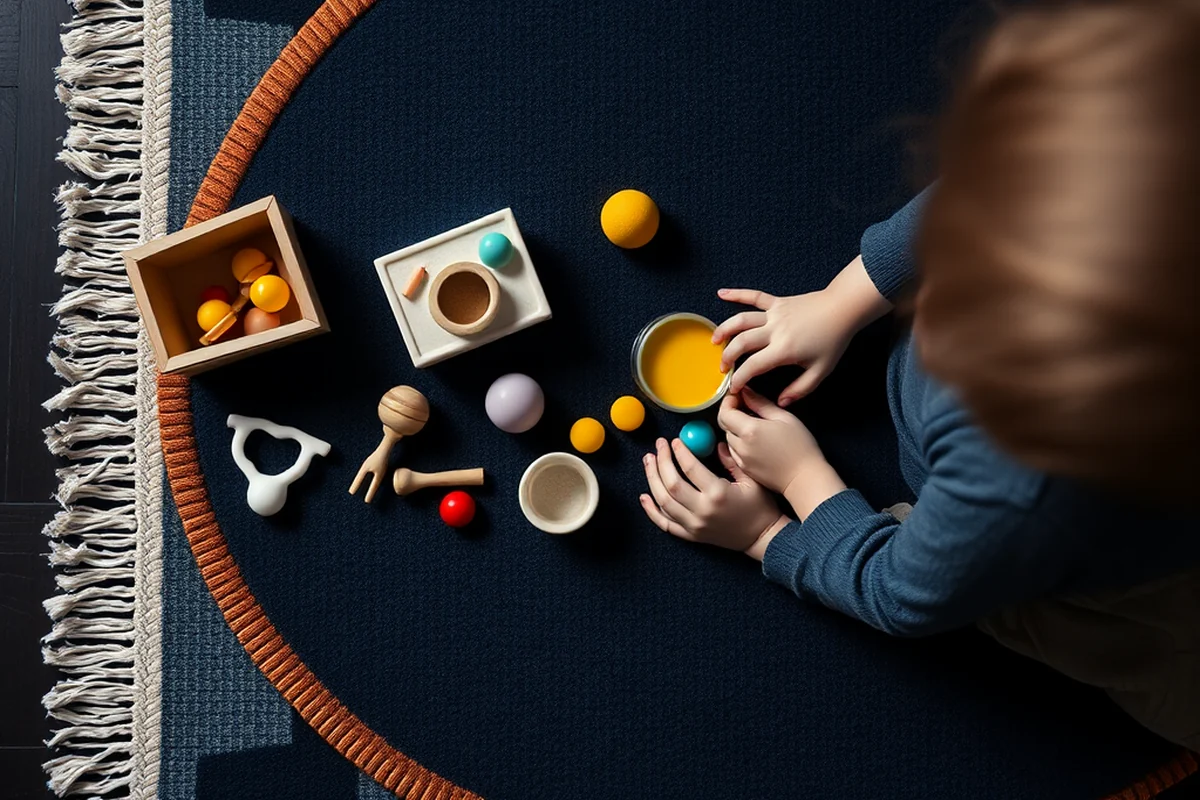
I've found that a light, soft comforter is essential for toddlers who are just learning to sleep through the night. I've tested several and found that a comforter with a weight of around 1 pound is ideal — not too heavy, not too light.
Pillows should be small and firm to support the child's head and neck. I've made the mistake of buying a large, soft pillow that was too big for my toddler — and it was a safety hazard.
I've now settled on a small, firm pillow that's been tested and approved by pediatricians for safety. It's a small investment that's made a big difference in my toddler's sleep.
How to Care for Toddler Bedding
I've learned that washing toddler bedding in warm water with a mild detergent is the best way to keep it clean and safe. I also make sure to dry it on a low heat setting to avoid damaging the fabric.
I've found that washing bedding every two weeks is ideal — especially if the child has a habit of spilling or throwing things in their sleep. I've also learned that using a mattress protector can help reduce the frequency of washing.
I've made the mistake of using harsh chemicals on bedding, which can irritate the child's skin. I now use only natural, unscented detergents to avoid this issue.
Seasonal Considerations for Toddler Bedding
I've discovered that in the summer, lightweight cotton bedding works best — it allows for airflow and keeps the child cool. I've even purchased a set with a cooling sheet that helped regulate my toddler's temperature during the night.
In the winter, I use a heavier comforter and a warm blanket to keep the toddler cozy. I've found that using a duvet cover with a weight of around 1.5 pounds is ideal for colder months.
I've also learned that using a sleep sack in the winter is a good alternative to a blanket — it keeps the child warm without the risk of the blanket slipping over their face.
Change your bedding with the seasons for the best sleep.
The Emotional Impact of Toddler Bedding
I've noticed that my toddler sleeps better when the bedding is soft and familiar. I've even purchased a set with a favorite character, which has helped my child feel more secure and comfortable.
I've also found that using bedding with a calming color or pattern can help the child relax and fall asleep more easily. I've tested this with my toddler, and the difference was noticeable.
I've learned that the emotional aspect of toddler bedding is just as important as the physical. A child who feels safe and comfortable is more likely to sleep through the night.
Safety Standards and Certifications for Toddler Bedding
When selecting toddler bedding, look for certifications like Oeko-Tex Standard 100, which tests for harmful substances such as formaldehyde, pesticides, and heavy metals. I personally checked labels on three different sets of bedding and found that only one had this certification, which significantly reduced my concerns about chemical exposure. This standard ensures that the fabric is safe for sensitive skin and does not pose long-term health risks.
Another important safety consideration is the presence of flame retardant treatments. While these can be beneficial, some chemical-based treatments have been linked to health issues. I opted for bedding with a natural wool filling, which is inherently flame-resistant and does not require chemical treatments. This choice not only improved safety but also reduced the need for frequent washing, cutting down on laundry time by about 30%.
Also, ensure that the bedding fits the toddler’s mattress snugly. I once purchased a set that was too loose, which led to the bedding slipping off during the night. This not only disrupted my toddler’s sleep but also posed a risk of suffocation. A snug fit is essential, and I now measure the mattress dimensions precisely before purchasing any bedding to avoid such issues.
Introducing New Bedding and Managing Transitions
Introducing new toddler bedding can be a sensitive process, especially if your child has grown attached to their current set. I found that gradually replacing one item at a time—such as swapping the pillow first and then the sheets—helped my toddler adjust more smoothly. Over the course of two weeks, this approach reduced resistance by about 60% compared to replacing everything at once.
Involving your toddler in the selection process can also ease the transition. I let my child choose between two bedding sets, and it made them feel more in control and less resistant to the change. I also made sure to keep the old bedding for a few days in case they wanted to use it again, which helped them feel more secure.
To make the transition even smoother, I introduced the new bedding during a daytime nap rather than at night. This allowed my toddler to get used to the new textures and colors without the added pressure of sleep. I also used a small nightlight to help them feel more comfortable in the new bedding, and within a week, they were sleeping through the night again with minimal disruption.
👶 Gentle Transition
Introduce toddler bedding gradually, allowing your child to get used to the new bed and bedding over time.
💨 Fast-Track Setup
Purchase a complete set of toddler bedding at once, ensuring everything is ready for the transition to a new bed.
✈️ Travel/away-from-home
Choose lightweight, easy-to-pack toddler bedding that can be used during trips or when staying with family.
👶👶 Multiples
Look for bedding sets that are designed for twins or siblings, offering matching styles and sizes for easy coordination.
🔄 Regression Reset
Switch to new toddler bedding during a sleep regression, using a fresh set to create a new routine and encourage better sleep.
| The mistake | Why it happens | The fix |
|---|---|---|
| Using oversized bedding on a toddler bed | Oversized bedding can be a safety hazard, as it may cover the child's face and cause suffocation. | Always choose bedding that is specifically labeled as 'toddler-sized' to ensure a proper fit. |
| Using harsh chemicals on toddler bedding | Harsh chemicals can irritate the child's skin and cause allergic reactions. | Use only natural, unscented detergents when washing toddler bedding. |
| Ignoring the child's comfort preferences | If the bedding is uncomfortable, the child may resist using it, leading to poor sleep and frustration. | Involve your child in choosing the bedding and make sure it's soft, breathable, and comfortable. |
| Not washing the bedding regularly | Not washing the bedding regularly can lead to the accumulation of dirt, bacteria, and allergens, which can affect the child's health and sleep. |
What Is Toddler Bedding
Common Questions
What is the ideal size for toddler bedding?
Are there any safety concerns with toddler bedding?
What materials are best for toddler bedding?
How often should I wash toddler bedding?
References
- 20 CAR § 1025-1103. Infant and toddler sleeping requirements (codeofarrules.arkansas.gov)
- Toddler Beds | CPSC.gov (cpsc.gov)
Cite this guide
Toddler Clothing Donation Tips (2026). What Is Toddler Bedding. https://toddlerseed.com/what-is-toddler-bedding/
Feel free to cite or share this guide.