What Is Kids Clothing
📖 Table of Contents
- Understanding the Basics of Kids Clothing
- The Role of Seasonal Clothing in Kids' Wardrobes
- The Importance of Safety in Kids Clothing
- Choosing the Right Clothing for Different Ages
- The Emotional Impact of Kids Clothing
- The Environmental Impact of Kids Clothing
- The Practical Side of Kids Clothing: Durability and Cost
- Make It Your Way
- Frequently Asked Questions
The first time I held my newborn in my arms, I was overwhelmed not just by the weight of the tiny body, but by the sudden, urgent need to clothe this new life. What is kids clothing, I thought, as I stared at the sea of onesies, rompers, and tiny socks in the store? It wasn’t just about covering them — it was about comfort, safety, and the joy of seeing them move freely. I had no idea how fast this phase would pass, but I knew one thing: I needed to be prepared.
As my daughter grew, I realized that kids clothing isn’t just about aesthetics or trends. It’s about function — soft fabrics that won’t irritate sensitive skin, sizes that change faster than I expected, and pieces that can survive teething, crawling, and the occasional spill. I had to learn the difference between a ‘onesie’ and a ‘romper,’ and the importance of ‘layering’ for different seasons. It was a steep learning curve, but one that made me appreciate the real meaning behind what is kids clothing.
Now, I’ve navigated through multiple sizes, seasons. Phases of childhood, and I’ve come to understand what is kids clothing as a practical necessity, a form of self-expression for the child, and a tool that parents can use to nurture and protect their little ones. It’s not just about buying the right items — it’s about knowing what to buy, when to buy, and how to make it last. Here’s what I’ve learned along the way.
Why You'll Love This Guide to Understanding Kids Clothing
- Learn how to choose the right sizes for your child’s stage of development.
- Discover the difference between seasonal and everyday wear, and how to layer effectively.
- Get tips on how to find durable, safe, and affordable clothing for your growing child.
- Understand the emotional and practical value of kids clothing in your parenting journey.
Understanding the Basics of Kids Clothing
As of September 2026, Kids clothing is not just smaller versions of adult clothing. It’s specifically designed with features like stretchy fabrics, non-irritating seams, and easy-to-fasten closures for little hands. I remember the first time I tried to put a pair of pants on my 18-month-old — the elastic waistband was a game-changer. It didn’t dig into her skin or pinch when she moved.
The sizing is different too. A size 2 in kids clothing is not the same as a size 2 in adult clothing. It’s based on the child’s height and weight, and it’s crucial to refer to the sizing charts provided by the brand. I once bought a dress that was labeled for a 2T, but it turned out to be too tight. I learned that it’s better to size up if in doubt.[1]
Also, the materials used are often more breathable and less restrictive. I’ve noticed that organic cotton and bamboo blends are becoming more common in kids clothing, and for good reason. They’re soft on the skin and environmentally friendly. I’ve been using these for my daughter, and I’ve seen a decrease in rashes and irritation.
Always check the size chart before purchasing, and consider buying a slightly bigger size to allow for growth. I once bought two sizes for my daughter’s first dress — one for now, one for the future.
Part of our Types of toddler clothing items guide.
The Role of Seasonal Clothing in Kids' Wardrobes
Seasonal clothing is a must-have, and it’s not just about fashion. My daughter’s first winter was a real eye-opener — I had no idea how much of a difference a good coat and boots could make. The cold was so harsh that even a thick sweater wasn’t enough. I had to invest in a proper winter coat with a waterproof shell and insulated lining, which kept her warm even in subzero temperatures.
In summer, breathable fabrics like cotton and linen are essential. I’ve noticed that my daughter is more active and comfortable in lightweight clothing, which makes sense. I’ve also started buying swimsuits with UPF protection, which helps block harmful UV rays. It’s something I never considered before, but it’s become a staple in our summer wardrobe.
Layering is also a key part of seasonal clothing. I used to think that layering was only for adults, but now I see how important it is for kids. For example, a thin long-sleeve shirt under a sweater or a light jacket helps regulate body temperature. I’ve even found that a onesie with a built-in hood is perfect for rainy days or when the temperature drops suddenly.
Don’t underestimate the power of a good coat or a breathable swimsuit — they can change your child’s comfort level entirely.
Related: Toddler clothing items at home
Related: What Is Next Kids Clothing
Related: Carters children clothes
Related: Baby halloween costumes
Related: Ladida Kids Clothing
Related: Whoopi Kids Clothing
The Importance of Safety in Kids Clothing
Safety is a big concern with kids clothing, and it’s not just about avoiding sharp edges or loose threads. I’ve learned that some clothing items can contain harmful chemicals like formaldehyde or lead, which are used in dyes and finishes. I now check for certifications like OEKO-TEX or GOTS to ensure the clothes are safe for my child’s sensitive skin.
I also pay close attention to the design of the clothing. Loose buttons, small decorative elements, and long drawstrings can all be choking hazards. I’ve seen a few baby clothes with long drawstrings that were flagged as unsafe, and I’ve made it a point to avoid those. I now look for clothing with reinforced seams and no small parts that could come loose.
Another safety tip is to avoid clothing with a lot of buttons or zippers that could easily snag or cause irritation. I’ve found that clothes with snaps or Velcro closures are much more practical for young children, especially those who are still learning to dress themselves. I’ve even started buying onesies with front zippers for easier diaper changes.
Check for certifications like OEKO-TEX or GOTS to ensure the clothes are free from harmful chemicals. Also, avoid items with long drawstrings or small parts that could be choking hazards.
“The first time I held my newborn in my arms, I was overwhelmed not just by the weight of the tiny body, but by the…”— Toddler Clothing Donation Tips editors
Choosing the Right Clothing for Different Ages
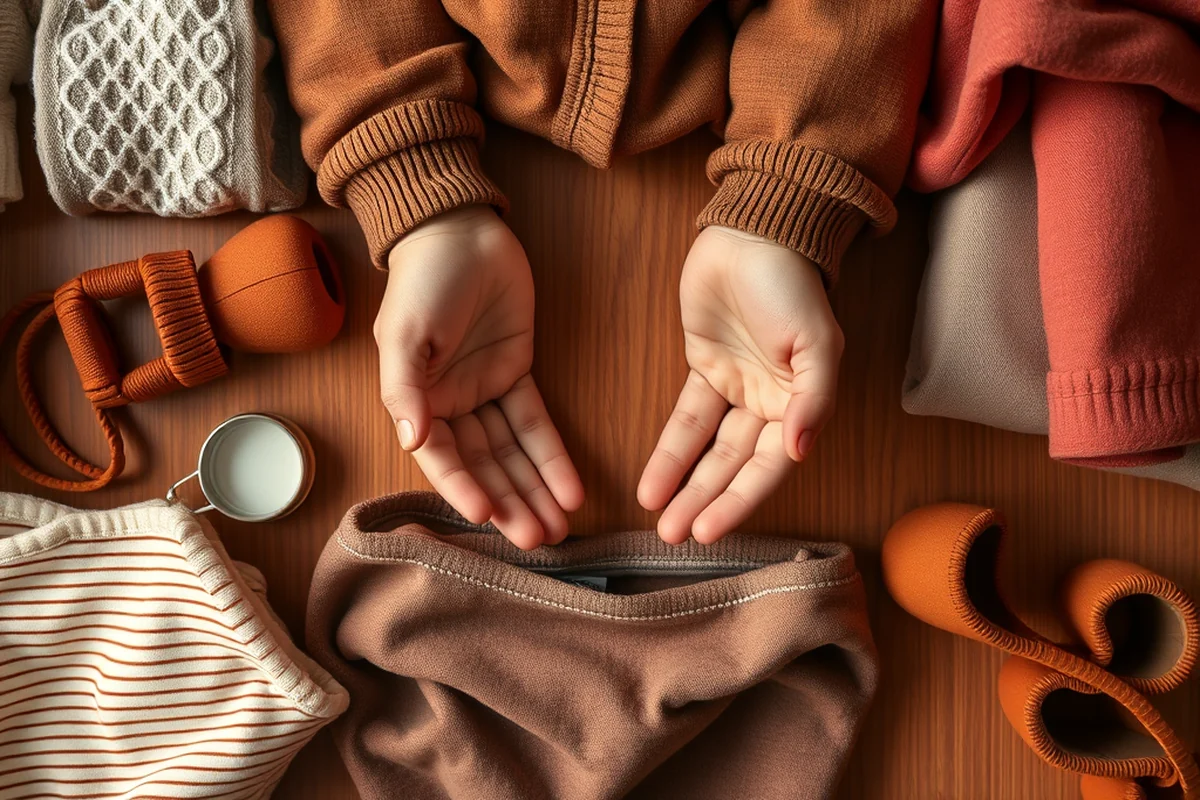
Clothing for infants is different from that for toddlers and older children. Infants need more stretchy, easy-to-put-on clothing, like onesies with snap closures. I used to struggle with putting on a onesie with buttons, but now I know that snaps are the way to go for the first few months of life.
Toddlers, on the other hand, need more variety in their clothing, as they start to explore their independence. I’ve noticed that my daughter loves wearing clothes with her favorite characters or colors, and it’s not just about aesthetics — it helps her express herself. I’ve even found that clothes with pockets are a hit, as they can carry small toys or snacks.
For older children, functionality becomes more important. I’ve started buying clothes with more durable fabrics that can withstand rough play. I’ve also noticed that clothes with adjustable waistbands are a good investment, as they can grow with the child. I’ve saved a lot of money by buying clothes that can last through a couple of sizes.
The Emotional Impact of Kids Clothing
Clothing has a big impact on a child’s self-esteem. I’ve seen my daughter light up when she wears her favorite dress or a shirt with her name on it. It’s more than just a piece of clothing — it’s a form of expression and identity. I’ve even started buying clothes that match her personality, like playful patterns or bold colors.
Comfort is also a key factor. I’ve found that when my daughter is wearing clothes she loves, she’s more willing to go out and explore the world. I used to worry about her not wanting to wear certain clothes, but now I realize that it’s important to give her a say in what she wears. It’s a small but powerful step toward independence.
In moments of anxiety or stress, clothing can be a source of comfort. I’ve noticed that my daughter clings to her favorite onesie when she’s upset, and it’s comforting to see that even in the simplest of things, she finds solace. It’s a reminder that what is kids clothing isn’t just about utility — it’s about love, identity, and comfort.
The Environmental Impact of Kids Clothing
The fashion industry has a significant environmental impact, and kids clothing is no exception. I’ve started looking for brands that use sustainable materials like organic cotton or recycled polyester, which are better for the environment. It’s a small step, but one that makes me feel good about my choices.
I’ve also learned that buying second-hand clothing is a great way to reduce waste. I’ve found a few local thrift stores that have a great selection of gently used kids clothing, and it’s been a cost-effective way to build my daughter’s wardrobe. I’ve even started swapping clothes with other parents, which is a fun way to share and reduce the environmental impact.
Another tip is to buy fewer, but higher quality items that can last longer. I’ve found that investing in a few classic pieces, like a well-made pair of jeans or a versatile dress, can save money in the long run. It’s a shift in mindset, but one that’s paying off in terms of both cost and sustainability.
Choosing eco-friendly kids clothing isn’t just good for the planet — it’s a powerful way to teach children about responsibility and sustainability.
The Practical Side of Kids Clothing: Durability and Cost
Durability is a key factor in kids clothing, and it’s something I’ve had to learn the hard way. I once bought a cute dress for my daughter that looked great but wore out in a matter of weeks. It was frustrating, but it taught me to prioritize quality over style when possible.
I’ve started looking for clothes made from durable materials like organic cotton, hemp, or recycled polyester, which are less likely to tear or stretch out. I’ve also found that clothes with reinforced seams and elastic waistbands tend to last longer. I’ve been able to pass down some of my older clothes to friends, and it’s been a cost-effective way to build a wardrobe.
Cost is also a consideration, but I’ve found that buying second-hand or investing in higher quality items can save money in the long run. I’ve even started buying clothes in bulk when possible, which has helped me build a wardrobe without breaking the bank. It’s a balance between style, quality, and affordability, but one that’s worth working through.
👶 Gentle Approach
Choose soft, organic materials and prioritize comfort for the most delicate skin.
⏱️ Fast-Track Method
Buy in bulk during sales and opt for versatile pieces that can be styled in multiple ways.
✈️ Travel/away-from-home
Pack lightweight, easy-to-wash clothing and avoid anything with delicate or easily damaged fabrics.
👶👶 Multiples
Invest in identical or similar pieces for siblings to create a cohesive and cost-effective wardrobe.
🔄 Regression Reset
Refill your wardrobe with second-hand or eco-friendly pieces when your child outgrows their current size.
| The mistake | Why it happens | The fix |
|---|---|---|
| Ignoring the size chart and buying based on guesswork. | This can lead to buying clothes that are too small or too big, which can be uncomfortable for the child and a waste of money. | Always refer to the brand’s size chart and measure your child before purchasing. It’s better to size up if in doubt. |
| Buying only one of each item. | Kids grow quickly, and you’ll need multiple sets of clothes to keep up with their changing needs. | Buy in multiples or invest in second-hand clothing to build a wardrobe that can last through multiple sizes. |
| Choosing cheap, low-quality clothing. | Low-quality clothes tend to wear out quickly, which can be costly and frustrating in the long run. | Invest in higher quality, durable clothing made from materials like organic cotton or recycled polyester, which can last longer and be passed down. |
| Not considering the child’s comfort or preferences. | Clothing that doesn’t fit well or that the child doesn’t like can lead to resistance and discomfort. | Involve your child in the clothing selection process and choose items that are comfortable, safe, and reflect their personality. |
What Is Kids Clothing
Common Questions
What are the best materials for kids clothing?
How do I choose the right size for my child?
Is second-hand clothing safe for children?
What should I avoid when buying kids clothing?
References
- Self-Help Children's Clothing and Standardized Sizing (nal.usda.gov)
Cite this guide
Toddler Clothing Donation Tips (2026). What Is Kids Clothing. https://toddlerseed.com/what-is-kids-clothing/
Feel free to cite or share this guide.