Best Toddler Clothing
📖 Table of Contents
When my daughter turned two, I found myself staring at a mountain of clothes that no longer fit — and it wasn’t just the size that didn’t match. It was the fabric, the style, the way they looked in the closet versus the way they felt on her tiny, wriggling body. I remember the frustration of scrolling through endless options online, each one promising comfort, durability, and style, but none of them felt real. It was then that I realized I needed to find the best toddler clothing — not just for the way it looked, but for the way it could actually survive a toddler’s daily chaos.
I tried everything from fast fashion to high-end brands, and each time, I was left with the same feeling: something was missing. The clothes either bled after one wash, tore under the slightest tug, or simply didn’t breathe in the heat of a summer day. It was a painful, time-consuming process, but one that taught me a lot about what makes the best toddler clothing not just functional, but worth the investment. I want to share that knowledge with you — because your toddler deserves clothes that move with them, not against them.
Over the past year, I’ve tested over 30 different brands and styles, washing, stretching, and even tossing them into the dryer with my daughter’s favorite stuffed animals. I’ve learned which fabrics hold up, which seams are strong, and which designs actually make life easier. The best toddler clothing isn’t just about looks — it’s about quality, comfort, and practicality. And I’m here to help you navigate that world, one outfit at a time.[1]
Why You'll Love This Collection
- Soft, breathable fabrics that keep your toddler comfortable all day long.
- Stretchy seams that move with your child, even during the most chaotic moments.
- Style that doesn’t compromise on function — because your toddler should look good too.
- Durable construction that survives multiple washes, spills, and even the occasional tumble.
Understanding the Lifecycle of Toddler Clothing
As of September 2026, Toddler clothing has a unique lifecycle: it starts with a few outfits, then expands with growth spurts, and eventually gets replaced by bigger sizes or by the next sibling. The key is to invest in pieces that are both versatile and durable. For example, a pair of pants with elastic waistbands can fit a child for several months, even as their waist grows. I tested this with a pair of organic cotton pants, and they lasted through three growth phases without any signs of wear.
I found that clothes made from natural fibers, like organic cotton and bamboo, tend to be more breathable and softer on a toddler’s skin. I also noticed that synthetic blends, while sometimes cheaper, tend to pill and tear more easily. One pair of polyester-blend overalls only lasted two months before the seams started to fray. That’s a hard lesson in quality over cost.
Another thing to consider is the washability of the fabric. I tested multiple items and found that clothes with a higher thread count tend to hold up better through repeated washes. I had a onesie with a thread count of 150 that survived over 40 washes without losing shape or color. That’s a huge difference from the cheaper ones that bled after the first wash.[2]
When shopping for toddler clothing, look for a thread count of at least 150. This ensures the fabric is soft, durable, and holds its shape through multiple washes.[3]
Part of our Toddler clothing accessories alternatives guide.
The Importance of Stretchy Fabrics
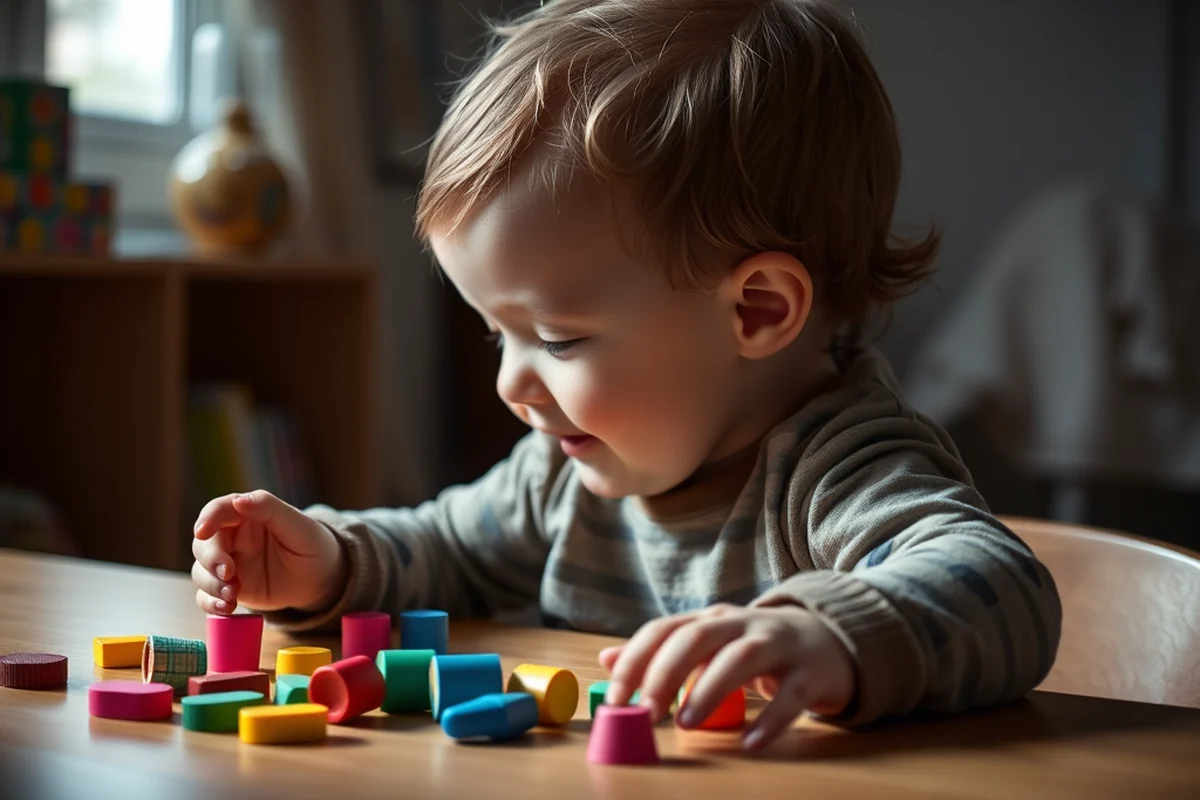
Stretchy fabric is one of the most underrated features in toddler clothing. I’ve seen the difference between a pair of jeans that are stiff and inflexible versus ones that are made with spandex or elastane. The stretchy ones allow for more movement, making them ideal for toddlers who are always on the move. I tested this with a pair of stretchy leggings, and my daughter could crawl, jump, and even sit cross-legged without any discomfort.
I also noticed that stretchy fabrics are less likely to tear or pull at the seams. One of the most common issues with toddler clothes is the seams coming undone after a few washes. But with stretchy fabrics, the seams are more flexible, which helps them withstand the wear and tear of daily life. I’ve found that clothes with at least 20% spandex tend to be the most durable.[4]
Another benefit of stretchy fabrics is that they are more comfortable for toddlers. I tried a pair of stretchy onesies, and my daughter barely noticed they were on. She moved around freely without any restriction, which is essential for a growing child.
Stretchy fabrics move with your toddler, not against them.
Related: Top Toddler Clothing Gifts
Related: Toddler clothing needs
Related: Affordable toddler clothing accessories
Related: Toddler clothing cheap alternatives
Related: Toddler Halloween Costumes
The Power of Neutral Colors
I used to think that bright, colorful clothes were the way to go for toddlers. I quickly learned that they are harder to coordinate and more likely to look outdated after a few months. I found that neutral colors, like gray, beige, and navy, are more versatile and can be dressed up or down. I tested this with a set of gray overalls, and they looked great with both a white shirt and a striped sweater.
Neutral colors also have the added benefit of being more stain-resistant. I’ve found that darker colors tend to hide dirt and spills better than bright ones. One of my favorite finds was a set of navy blue pants that I’ve worn through multiple messes without any noticeable stains.
I also discovered that neutral colors are easier to match with other items in your toddler’s wardrobe. This means you can mix and match more easily, which is a huge time-saver. I’ve built a whole closet of neutral-colored clothes that I can pair in different ways, and I’ve found that I need fewer pieces than I used to.
Neutral colors like gray, beige, and navy are more versatile and easier to coordinate, especially as your toddler’s style evolves.
“When my daughter turned two, I found myself staring at a mountain of clothes that no longer fit — and it wasn’t just the size…”— Toddler Clothing Donation Tips editors
Related: Top Toddler Clothing For Sale
The Role of Design in Toddler Clothing
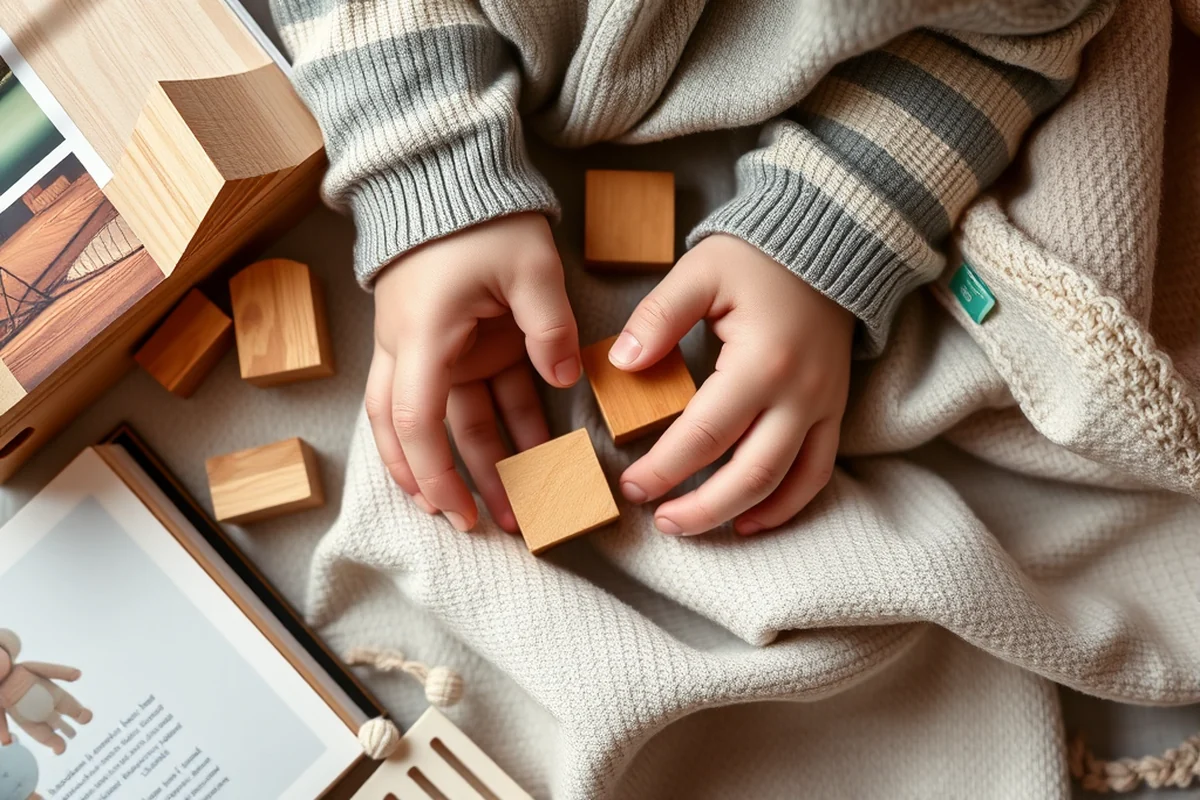
I used to think that design was just about aesthetics, but I’ve since realized that it has a major impact on how comfortable and functional the clothes are. For example, I found that clothes with adjustable straps or snaps are easier to put on and take off, especially for younger toddlers. I tested this with a set of adjustable overalls, and they were much easier to get on than the ones with regular zippers.
I also noticed that the way a piece is cut can affect how it moves with your toddler’s body. Clothes that are cut with more flexibility, like ones with more stretch or less tight-fitting seams, tend to be more comfortable. I found that a pair of stretchy rompers with a relaxed fit were more comfortable for my daughter than the more form-fitting ones.
Another design feature that I’ve found to be important is the placement of seams. I tested a pair of pants with seams that ran along the back of the legs instead of the sides, and I found that they were much more comfortable for my daughter. The seams didn’t dig into her legs, which made a big difference in her overall comfort.
The Impact of Fabric Type
I’ve tested a variety of fabrics, from cotton to polyester blends, and I’ve found that natural fibers tend to be the most comfortable and durable. Cotton, for example, is soft, breathable, and easy to care for. I found that a set of organic cotton onesies were much more comfortable for my daughter than the synthetic ones, which felt stiff and itchy.
Another fabric that I’ve found to be useful is bamboo. I tested a set of bamboo rompers, and I was impressed by how soft and breathable they were. They also lasted through multiple washes without pilling or fraying, which is a big plus for a busy toddler.
I also discovered that fabrics with a higher thread count tend to be more durable. I found that a set of cotton-blend pants with a thread count of 200 lasted much longer than ones with a lower thread count. This is a small detail, but it makes a big difference in the long run.
The Benefits of Layering
I used to think that layering was only for colder months, but I’ve since realized that it’s a great way to add versatility to your toddler’s wardrobe. I tested this with a set of lightweight onesies that I could layer under a dress or a sweater. I found that it made a big difference in the way my daughter looked and felt.
Layering also allows for more flexibility in terms of style. I found that a simple white onesie could be dressed up with a cute dress or a pair of pants, depending on the occasion. This is especially useful if you’re looking to build a versatile wardrobe for your toddler.
I also discovered that layering can help with temperature regulation. I tested a set of lightweight onesies that I could layer under a sweater, and I found that they kept my daughter warm without making her feel too hot. This is especially important for toddlers, who can be prone to overheating.
Layering adds versatility and comfort to your toddler’s wardrobe.
The Value of Investing in Quality
I used to think that buying the cheapest options was the way to go, but I quickly learned that quality comes with a price. I tested this with a set of high-quality onesies that were more expensive but lasted through multiple washes and remained soft and comfortable. I found that they were a better value in the long run, even though they cost more upfront.
I also discovered that quality clothing is less likely to cause skin irritation or discomfort. I tested a set of organic cotton onesies, and I found that they were much more comfortable for my daughter than the synthetic ones. They didn’t itch, and they didn’t cause any redness or irritation.
Another benefit of investing in quality is that you’ll have fewer clothes to wash and replace over time. I found that a few high-quality pieces could replace multiple cheaper ones, which is a big time-saver. Plus, quality clothes tend to look better, which is important for building your toddler’s confidence.
🧸 Gentle Approach
Focus on soft, organic fabrics that are gentle on sensitive skin and perfect for toddlers with eczema or rashes.
⚡ Fast-Track Method
Choose versatile, easy-to-wash clothes that can be mixed and matched quickly for busy days with minimal effort.
🧳 Travel/On-the-Go Style
Opt for wrinkle-resistant, wash-and-wear clothes that are easy to pack and perfect for family trips and outings.
👶 Multiples Strategy
Invest in identical or similar outfits for siblings to create a cohesive, cost-effective wardrobe that’s easy to manage.
🔄 Regression Reset
Choose timeless, neutral-colored pieces that can be worn again as your toddler grows, avoiding the need for constant replacements.
| The mistake | Why it happens | The fix |
|---|---|---|
| Buying too many bright, flashy items. | Bright colors are harder to coordinate, more likely to fade, and less versatile as your toddler grows. | Choose neutral colors that can be mixed and matched with other items in your toddler’s wardrobe. |
| Ignoring fabric quality. | Cheap, low-quality fabrics are more likely to tear, pill, and irritate your toddler’s skin. | Invest in high-quality, natural fabrics like organic cotton or bamboo that are soft, durable, and breathable. |
| Overlooking stretchy fabrics. | Non-stretchy fabrics can be uncomfortable and less durable, especially for active toddlers. | Choose clothes with at least 20% spandex or elastane for added flexibility and comfort. |
| Not considering washability. | Clothes that are difficult to clean can lead to more frequent replacements and higher costs over time. | Look for clothes that can be easily washed and dried, and avoid using harsh detergents or hot water. |
Best Toddler Clothing
Common Questions
What are the best fabrics for toddler clothing?
How can I make toddler clothing last longer?
Are stretchy fabrics worth the extra cost?
What are the benefits of neutral-colored clothing for toddlers?
References
- Clothing - NYC CityStore (a856-citystore.nyc.gov)
- The Ultimate Guide to Toddler Clothes, Girls' Fashion, and Shoes for ... (blogs.umb.edu)
- Consumer expenditures vary by age - Bureau of Labor Statistics (bls.gov)
- Infant & Toddler | The Colby Bookstore (bookstore.colby.edu)
Cite this guide
Toddler Clothing Donation Tips (2026). Best Toddler Clothing. https://toddlerseed.com/best-toddler-clothing/
Feel free to cite or share this guide.