
What Is Training Underwear For Toddlers
📖 Table of Contents
- What Exactly Is Training Underwear for Toddlers?
- Why Training Underwear Matters in Potty Training
- When to Start Using Training Underwear for Toddlers
- How to Choose the Best Training Underwear for Your Toddler
- The Benefits of Using Training Underwear During Potty Training
- How to Make the Transition from Diapers to Training Underwear
- What to Do When Your Toddler Has an Accident with Training Underwear
- Make It Your Way
- Frequently Asked Questions
I still remember the first time I saw my daughter walking proudly into the bathroom, holding a small potty, her eyes wide with determination. It was an ordinary Tuesday, but for me, it felt like a monumental shift in our family's daily rhythm. That moment, however, wouldn't have been possible without training underwear. These little pieces of fabric are more than just clothing; they're a bridge between toddlerhood and potty training. I've spent the last three years handling the ups and downs of potty training with my two kids. I can tell you with certainty that training underwear plays a pivotal role in making the process smoother, more confident, and more successful.[2]
Training underwear for toddlers is not just about comfort or aesthetics. It's about function, about creating a sense of independence and responsibility in little ones who are still learning to understand the world. These undergarments are designed with features like snug fits, leak-proof materials, and even built-in indicators that help parents and children track progress. I remember when I first bought a pair for my son—he was just 2 years old and barely able to walk without wobbling. Those training underpants became his first step toward autonomy, and over time, they helped him learn the importance of using the potty consistently.[3]
As a parent, I've learned that the right tools can make all the difference in a child's development. Training underwear for toddlers is one such tool, and it's not just about the physical aspects of potty training. It's about the emotional and psychological support it provides. When my daughter finally mastered using the potty without any accidents, I saw her confidence grow. The training underpants were there every step of the way, a silent but powerful ally in her journey. If you're new to this, I promise you'll find this article to be a valuable resource that walks you through everything you need to know about training underwear for toddlers.[4]
Why You'll Love This Guide on Training Underwear for Toddlers
- Training underwear helps toddlers become more self-aware and confident in their bathroom habits.
- They are designed with leak-proof materials that reduce mess and make cleanup easier for parents.
- These undergarments provide visual cues and feedback to help children learn and progress.
- They support a smoother and more successful potty training experience.
What Exactly Is Training Underwear for Toddlers?
As of September 2026, Training underwear for toddlers is not just a regular pair of underpants—it's a specialized garment made with the specific needs of potty training in mind. These undergarments are typically made from absorbent and leak-proof materials, which help reduce the mess associated with accidents. I remember when I first tried a pair of training underpants on my daughter. The first time she peed in them, I saw a small puddle form inside the fabric, which gave me a visual cue that she had successfully used the bathroom without any leaks. This feature alone was a game-changer for me as a parent.[5]
These undergarments also often have a snug fit around the legs and waist to prevent leaks and keep the child feeling secure. Some training underwear even have a built-in indicator, like a color change or a small patch that turns wet when the child wets themselves. I found this to be incredibly helpful because it allowed me to know immediately if my daughter had used the potty, even before she could tell me. It helped me reinforce positive behavior and gave her a sense of accomplishment whenever she managed to stay dry.
The design of training underwear for toddlers is all about making the potty training process easier for both children and parents. These undergarments are a practical tool that helps children learn the importance of using the potty at the right time. As a parent, I can't overstate how much these underpants helped us stay on track and avoid any unnecessary stress or mess.
Make sure the training underwear fits snugly but comfortably. A loose fit can lead to leaks, while a too-tight fit can be uncomfortable for the child. Always check the sizing guidelines on the packaging and opt for a pair that allows for some movement and growth.
Part of our Toddler clothing for beginners guide.
Why Training Underwear Matters in Potty Training
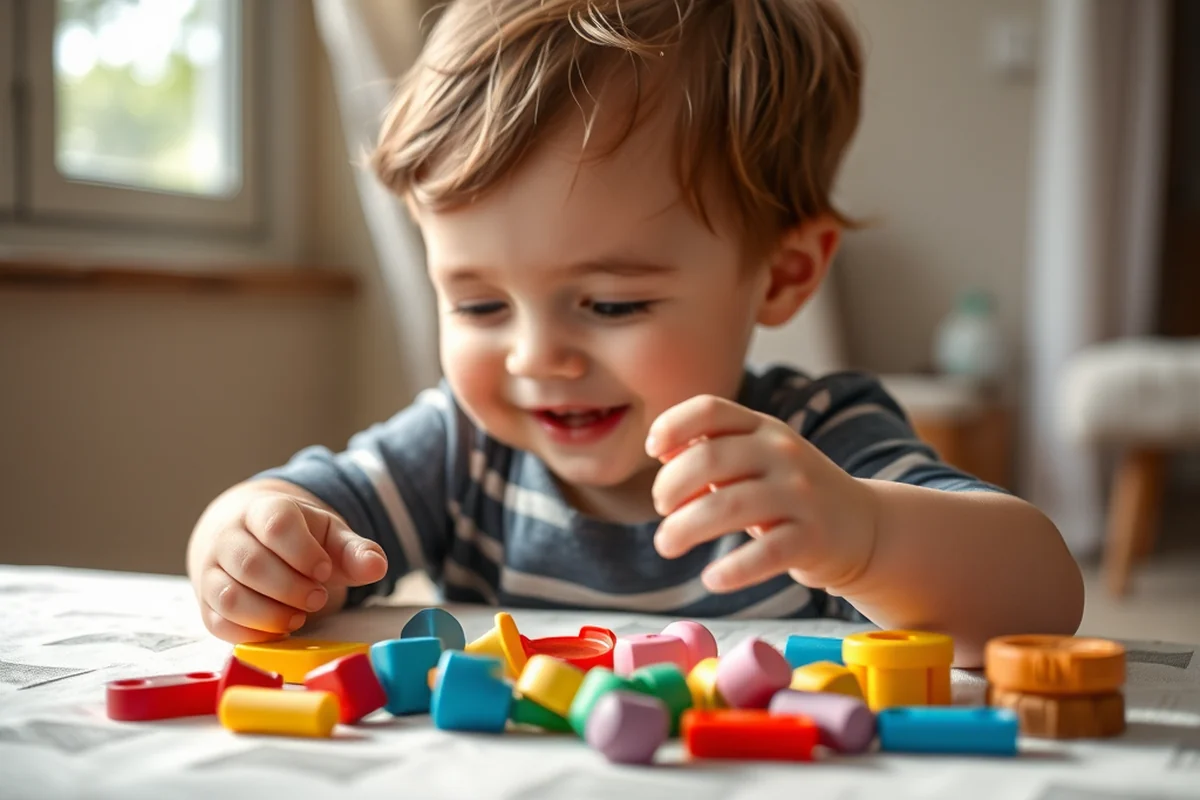
Potty training is a big milestone for toddlers, and having the right tools can make a world of difference. Training underwear for toddlers helps children learn the connection between their body and the toilet, making the entire process more intuitive. When my son first started using training underpants, he was so proud of himself when he managed to go all the way through the night without any accidents. That sense of accomplishment was something I never could have given him through words alone.
These undergarments also play a role in teaching children responsibility and independence. When a child sees that they can stay dry and use the potty on their own, it builds their confidence and self-reliance. I remember when my daughter was using training underpants, and she would proudly show me her dry underpants after a successful trip to the bathroom. That small moment of pride helped her become more motivated to keep using the potty consistently.
In addition to the emotional benefits, training underwear also helps parents track their child's progress. The leak-proof materials and visual indicators provide clear feedback, making it easier to encourage and reinforce good habits. These undergarments are more than just clothing—they're a vital part of the potty training journey.
Training underwear is the first step toward independence for toddlers.
Related: Kids foot locker toddler shoes
Related: Toddler boy clothes
Related: Toddler clothes for girls
Related: Baby boy clothes
Related: Newborn for boy clothes
Related: What Is Training Pants For Toddlers
Related: Toddler Training Underwear
When to Start Using Training Underwear for Toddlers
There's no one-size-fits-all approach to potty training, but most children show signs of readiness between 18 and 30 months. This is when they start to understand the concept of using the potty and can often stay dry for longer periods of time. I noticed that my daughter was showing signs of being ready at around 2 years old—she would stay dry for several hours and would sometimes even ask to use the potty on her own.[1]
It's important to look for cues that your child is ready to start using training underwear. These can include staying dry for several hours, showing interest in the potty, and being able to pull up and down their own pants. I found that starting with training underpants at the right time made the entire process much smoother and less stressful for both my child and me.
Starting too early can be frustrating for both the child and the parent, so it's best to wait until your toddler shows the signs of readiness. Once they're ready, training underpants can help them transition smoothly from diapers to independent bathroom use.
Watch for signs like staying dry for longer periods, showing interest in the potty, and being able to pull up and down their own pants. These are all indicators that your toddler may be ready to start using training underwear.
“I still remember the first time I saw my daughter walking proudly into the bathroom, holding a small potty, her eyes wide with determination.”— Toddler Clothing Donation Tips editors
How to Choose the Best Training Underwear for Your Toddler
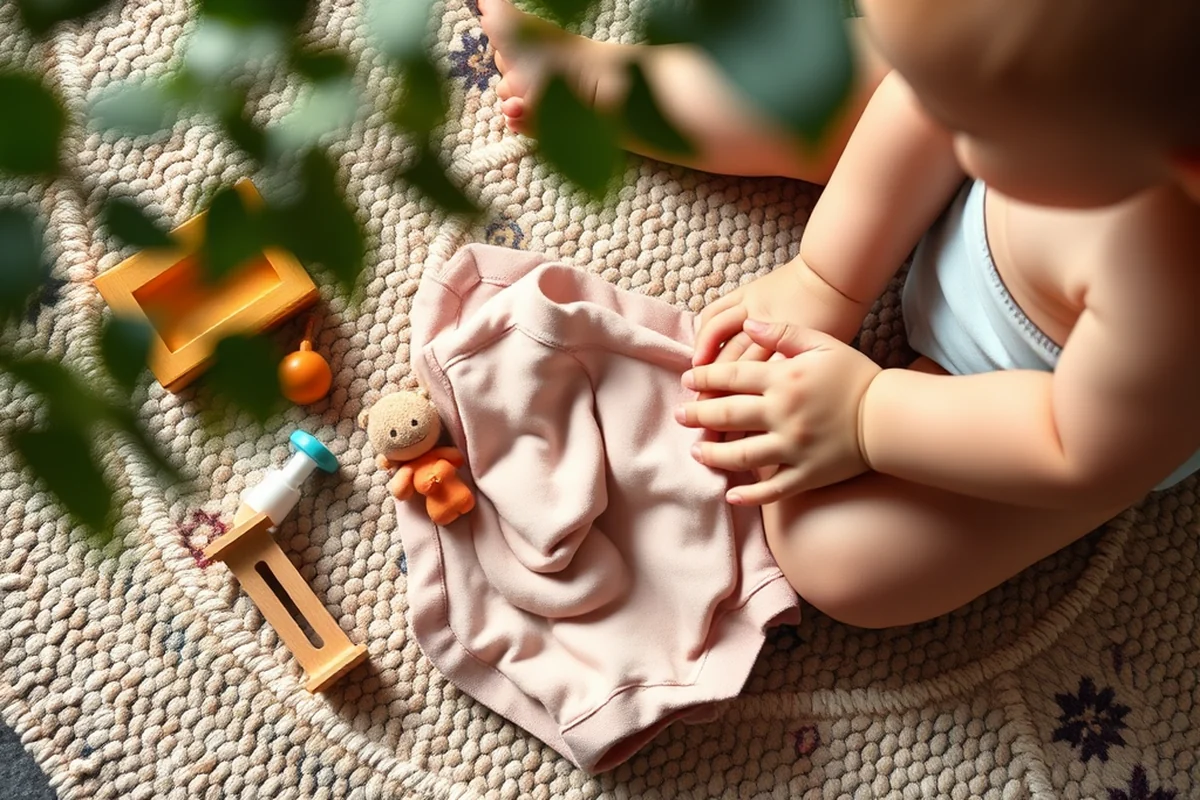
Selecting the best training underwear for your toddler is a crucial step in the potty training process. There are several factors to consider, including size, material, and the presence of leak-proof features. I remember when I first tried different brands of training underpants, and the differences in quality were immediately noticeable. Some were more absorbent and stayed dry longer, while others were less effective and led to more frequent accidents.
It's also important to consider the fit of the underpants. A snug but comfortable fit is essential to prevent leaks and ensure that the child feels secure. I found that some brands offered better sizing options and adjustable waistbands, which made them more versatile for growing toddlers. Also, some training underpants come with built-in indicators that change color when the child wets themselves, which can be a helpful tool for both parents and children.
The best training underwear for your toddler is the one that works for your family. It may take some trial and error to find the right fit and features, but investing in quality training underpants can make the potty training process much more manageable and successful.
The Benefits of Using Training Underwear During Potty Training
One of the biggest benefits of using training underwear for toddlers is the leak-proof protection they offer. These undergarments are designed to absorb moisture and prevent leaks, which can make the potty training process less stressful for parents. I remember how much easier it was to clean up after my daughter when she was using training underpants. There was no mess or stain, and it made the whole experience much more manageable.
Another benefit is the ease of use that training underpants provide. Unlike diapers, which can be bulky and uncomfortable, training underpants allow for more freedom of movement and can be easily pulled up and down. This makes them ideal for toddlers who are just learning to use the potty on their own. I found that my son was much more comfortable wearing training underpants during the day, which helped him feel more confident in his ability to use the bathroom independently.
Perhaps the most important benefit of using training underpants during potty training is the sense of independence they give to toddlers. When a child can stay dry and use the potty on their own, it builds their confidence and self-reliance. I saw this firsthand with my daughter, who would proudly show me her dry underpants after a successful trip to the bathroom. That small moment of pride helped her become more motivated to keep using the potty consistently.
How to Make the Transition from Diapers to Training Underwear
Transitioning from diapers to training underwear can be a smooth process if approached with patience and consistency. It's important to start the transition slowly and ensure that your toddler is ready for the change. I found that introducing training underpants during the day, while still using diapers at night, helped my daughter adjust more comfortably to the new undergarments.
It's also essential to maintain a positive attitude throughout the process. Encouraging your toddler to use the potty and praising them for their efforts can help build their confidence. I remember how proud my daughter was when she successfully used the potty for the first time with training underpants on. That moment of success was a huge boost for her and made the entire process more enjoyable.
Consistency is key when making the transition from diapers to training underpants. It's important to set a routine and stick to it, even if it means making some sacrifices in the short term. I found that keeping a consistent potty schedule and using training underpants every day helped my daughter progress more quickly and confidently.
Patience and consistency are the keys to a successful transition from diapers to training underpants.
What to Do When Your Toddler Has an Accident with Training Underwear
Accidents are a normal part of the potty training process, and it's important to stay calm and supportive when they happen. I remember the first time my daughter had an accident with her training underpants. I was caught off guard, but I quickly realized that my reaction would set the tone for how she viewed the situation. Instead of getting frustrated, I stayed calm and reassured her that it was okay.
Reassuring your toddler that accidents are a normal part of the process can help them feel more confident and less discouraged. It's also important to encourage them to try again, rather than punishing them for the mistake. I found that using positive reinforcement, like a small reward or a sticker, helped my daughter feel more motivated to keep trying.
It's also important to address the accident in a way that reinforces the message that using the potty is the right thing to do. I would remind my daughter that using the potty helps her stay dry and feel more comfortable. This helped her understand that accidents are part of the learning process, not something to be afraid of.
🧸 Gentle Approach
This method emphasizes patience and encouragement, allowing toddlers to learn at their own pace without pressure.
🚀 Fast-Track Method
This approach is ideal for parents who want to accelerate the potty training process and achieve quicker results.
🧳 Travel/away-from-home Potty Training
This method helps toddlers adjust to potty training while on the go, making it easier for parents to manage during trips or outings.
👶 Potty Training for Multiples
This approach is tailored for parents with more than one child, helping them manage potty training for multiple toddlers at once.
🔄 Regression Reset
This method is for parents who are dealing with a regression in potty training and want to reset the process in a positive way.
| The mistake | Why it happens | The fix |
|---|---|---|
| Starting too early with training underwear | Starting too early can be frustrating for the child and may lead to resistance or setbacks in the potty training process. | Wait until your child shows signs of readiness, such as staying dry for longer periods and showing interest in the potty. |
| Using training underwear that are too large or too small | Training underwear that are too large can lead to leaks, while those that are too small can be uncomfortable for the child. | Choose training underwear that fit snugly but comfortably, and always check the sizing guidelines on the packaging. |
| Not being consistent with the potty training routine | Inconsistency can confuse the child and make the potty training process more difficult. | Maintain a consistent potty schedule and use training underwear every day to reinforce the routine. |
| Getting angry or frustrated during accidents | Accidents are a normal part of the potty training process, and getting angry can make the child feel scared or discouraged. | Stay calm and reassuring during accidents, and focus on encouraging your child to try again. |
What Is Training Underwear For Toddlers
Common Questions
How do I know if my toddler is ready for training underwear?
Can I use training underwear for night-time potty training?
How often should I change my toddler's training underwear?
What should I do if my toddler refuses to wear training underwear?
References
- The Four Stages of Toilet Learning | Child Development and Family ... (chhs.niu.edu)
- Health and Safety Resources - Child Care In New Jersey (childcarenj.gov)
- Encopresis | Children's Hospital of Philadelphia (chop.edu)
- Potty Training With Young Children - Crane CenterCrane Center (crane.osu.edu)
- s Potty Chart - | dcps (dcps.dc.gov)
Cite this guide
Toddler Clothing Donation Tips (2026). What Is Training Underwear For Toddlers. https://toddlerseed.com/what-is-training-underwear-for-toddlers/
Feel free to cite or share this guide.