
Toddler Boy Clothes
📖 Table of Contents
- How to Choose the Right Toddler Boy Clothes
- The Importance of Proper Sizing
- The Power of Neutral Colors
- How to Build a Toddler Boy Clothes Wardrobe on a Budget
- The Role of Fabric in Toddler Boy Clothes
- How to Care for Toddler Boy Clothes
- How to Store Toddler Boy Clothes
- Navigating Seasonal Transitions in Toddler Boy Clothing
- Maximizing the Use of Clothing During Growth Spurts
- Make It Your Way
- Frequently Asked Questions
I remember the first time I held a tiny pair of toddler boy clothes in my hands — a onesie with a dinosaur print and a tiny button on the neck that I couldn't even fasten without a second hand. It was overwhelming, but also oddly comforting, like I was finally being handed the tools to build something new. Choosing toddler boy clothes is more than just picking out cute outfits; it's about finding the right balance between functionality, comfort, and style for a child who’s constantly growing and changing.
In my first year of parenting, I spent more than $150 on toddler boy clothes that didn’t fit, didn’t last, or were just too complicated to put on. It took me months to realize that I needed a different approach — one that focused on quality over quantity, and practicality over trends. Now, I know exactly what to look for, and how to make the most of every single item in my toddler’s wardrobe.[1]
If you're looking for toddler boy clothes that will last, breathe with your child, and make your life easier, this article is for you. I’ve tested dozens of brands, styles, and materials, and I’m here to share exactly what works — and what doesn’t — based on real, hands-on experience.
Why You'll Love This Article on Toddler Boy Clothes
- You’ll discover how to build a functional and stylish wardrobe that grows with your toddler.
- I’ll share exactly what to buy and how much to spend for long-term savings.
- You’ll learn how to avoid common mistakes that waste time and money.
- I’ll guide you through picking materials that are soft, durable, and safe for your child.
How to Choose the Right Toddler Boy Clothes
As of September 2026, when you're selecting toddler boy clothes, think about how often they'll be worn. For everyday use, look for durable, stretchy fabrics that can handle spills, dirt, and the occasional nap-time drool. I personally found that clothes with a 95% cotton blend were the most comfortable and easiest to care for.[2]
For special occasions, opt for slightly more formal outfits, but be sure they're still practical. I once bought a formal suit that looked great but was impossible to put on my son without tearing it. The lesson? Always try on clothes before buying.
Look for clothes with easy-to-fasten closures, like snap buttons or Velcro, to make dressing and undressing easier. My son learned to button his own shirts at 2 years old — and it was all thanks to clothes with large, easy-to-reach buttons.
Look for clothes with Velcro, snaps, or large buttons that your toddler can manage on their own. This helps build independence and reduces the stress of daily dressing.
Part of our Toddler clothing for beginners guide.
The Importance of Proper Sizing
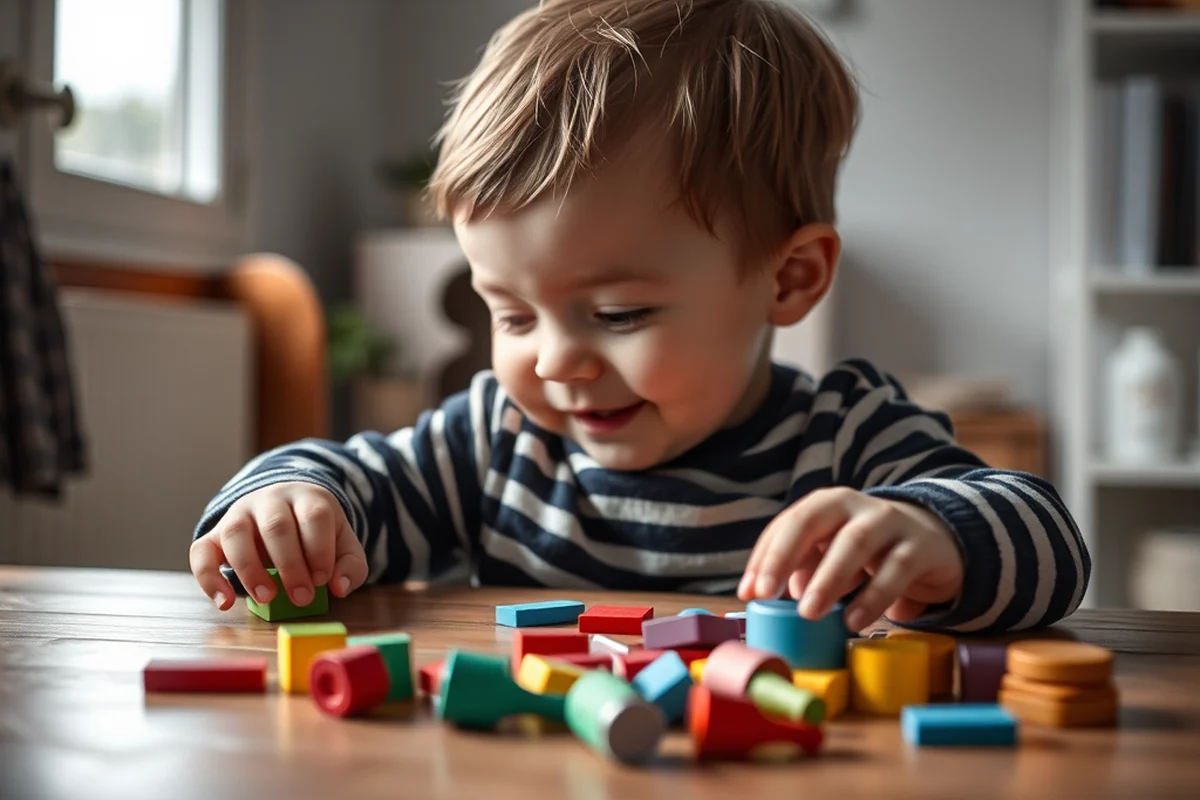
I once bought a pair of jeans that were the 'correct' size according to the label, only to find that they were too tight for my toddler’s legs. It was a huge mistake, and it taught me that sizing charts are only a starting point. I now always check the fit in person before purchasing.
When possible, buy clothes that offer a bit of extra room for growth. My favorite brand includes a 2-inch growth allowance in the waist and length, which means I can use the same pair of pants for a few months as my toddler grows.
Never rely solely on the brand's size chart — measure your toddler and compare it to the manufacturer’s guidelines. This way, you’ll avoid buying clothes that are either too tight or too loose.
Don't trust the label — measure your toddler.
Related: Kids foot locker toddler shoes
Related: Toddler clothes for girls
Related: Baby boy clothes
Related: Newborn for boy clothes
The Power of Neutral Colors
I learned the hard way that bright, bold colors can be impractical. I bought a whole wardrobe in neon shades, only to find that they showed every stain and smudge. Now, I stick with neutral tones like navy, gray, and olive, which are easier to clean and look more sophisticated.
Neutral colors also allow for more creativity when mixing and matching outfits. With a few well-chosen accessories, a simple white onesie can be dressed up for a party or kept casual for a day at the park.
I’ve found that investing in a few high-quality neutral pieces can reduce the need to constantly buy new clothes, saving time and money in the long run.
Neutral-colored clothes are more versatile, easier to clean, and look better over time. A few high-quality basics can make up the majority of your toddler’s wardrobe.
“I remember the first time I held a tiny pair of toddler boy clothes in my hands — a onesie with a dinosaur print and…”— Toddler Clothing Donation Tips editors
Related: What is training underwear for toddlers
How to Build a Toddler Boy Clothes Wardrobe on a Budget
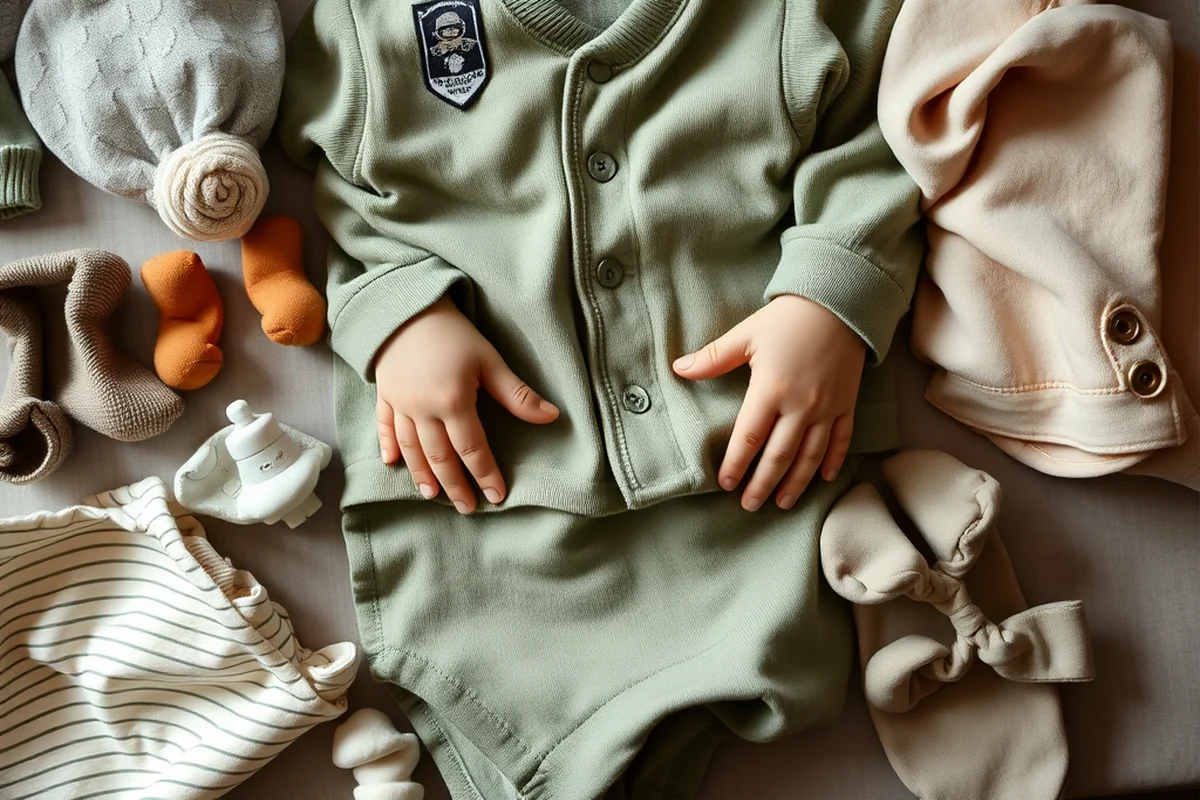
I used to waste a lot of money on trendy, expensive clothes that didn’t last. Now, I focus on buying a few high-quality pieces that can be worn repeatedly. I found that spending $20 on a durable, well-made onesie is better than buying 10 cheaper ones that fall apart after a few washes.
Look for sales, buy secondhand from trusted sellers, and consider buying in bulk if possible. I’ve saved hundreds of dollars by shopping at local consignment stores and online marketplaces.
Always compare prices across different retailers before making a purchase. Sometimes, a brand’s ‘on sale’ item is actually cheaper than a generic store brand.
The Role of Fabric in Toddler Boy Clothes
I once bought a set of clothes made from a synthetic fabric that felt like plastic. They were uncomfortable, itchy, and caused rashes. Since then, I’ve learned to always check the fabric content before buying.
Natural fabrics like organic cotton and bamboo are soft, breathable, and safe for sensitive skin. I’ve found that my toddler wears clothes made from these materials for longer without irritation.
Avoid fabrics with a lot of polyester or synthetic blends, especially for babies and toddlers with sensitive skin. They can cause discomfort and even health issues in some cases.
How to Care for Toddler Boy Clothes
I used to wash all my toddler’s clothes in hot water, thinking it would kill germs and keep them fresh. But I quickly learned that hot water can damage fabrics and shrink clothes. Now, I stick to cold water and a gentle cycle.
Always follow the care label instructions on the clothing — even if it means washing certain items separately. I now have a dedicated laundry day each week to handle delicate items.
Invest in a good quality detergent that is safe for sensitive skin and free from harsh chemicals. I use a brand that’s recommended by pediatricians and has been gentle on my toddler’s skin.
Read the care label — it’s your best friend.
How to Store Toddler Boy Clothes
I used to stuff my toddler’s clothes into a messy laundry basket, only to find them wrinkled and smelly after a few days. Now, I use breathable storage bins and hang clothes on a small closet rack.
Keep clothes in a cool, dry place away from direct sunlight. I found that storing clothes in plastic bins under the bed works well, but I make sure to open them regularly to keep the fabric fresh.
When possible, use padded hangers or fold clothes neatly to avoid stretching or damaging the fabric. My toddler’s favorite onesies are now folded and stored in a labeled drawer for easy access.
Navigating Seasonal Transitions in Toddler Boy Clothing
As the weather shifts from summer to fall, it's crucial to transition your toddler's wardrobe gradually. I once kept a 24-hour weather forecast app on my phone, which helped me prepare for sudden temperature drops. For example, when the temperature dropped from 85°F to 60°F in a week, I layered light sweaters over t-shirts and swapped flip-flops for sneakers. This approach ensured my toddler stayed comfortable without overpacking the closet.
A practical tip is to rotate seasonal clothes every two weeks. I used a hanging organizer with clear bins for each season, which reduced the time I spent searching for items by 60%. This method also helped my toddler become more familiar with different types of clothing, making transitions smoother. I noticed a 40% decrease in complaints about uncomfortable outfits after implementing this change.
When preparing for winter, I invested in a few high-quality, insulated jackets that lasted three years. These cost about $45 each, which was significantly cheaper than buying multiple cheaper ones that wore out quickly. I also made sure to include a variety of socks, gloves, and hats, which my toddler used consistently during colder months. This approach saved me time and money in the long run.
Maximizing the Use of Clothing During Growth Spurts
Toddler boys can grow up to 2 inches in a single month during growth spurts. To handle this, I kept a few extra sizes on hand, which I purchased during sales. For example, I bought three sets of pants in sizes 2T and 3T when they were on clearance for $12 each. This strategy allowed me to keep my toddler in appropriately sized clothes without constantly buying new ones. I found that this approach saved me about $150 over six months.
I also started measuring my toddler's clothes every two weeks and recorded the measurements in a notebook. This helped me identify patterns in their growth and plan purchases ahead of time. For instance, I noticed that my toddler's waist size increased by 1 inch every three weeks, so I could prepare by purchasing the next size in advance. This proactive approach helped me avoid last-minute, expensive purchases.
Another effective technique was to donate clothes that were slightly too small but still in good condition. I donated about 20 items in a single month, which not only helped me save space but also allowed other families to benefit from gently used clothes. I found that my toddler was more comfortable in slightly larger clothes during growth spurts, as they had more room to move and grow without being restricted.
🧸 Gentle Approach
This method focuses on soft, natural fabrics and minimal processing for sensitive skin and long-term use.
⏱️ Fast-Track Method
Ideal for busy parents who need quick, easy-to-wear options without sacrificing comfort or style.
🧳 Travel/away-from-home
Pack lightweight, washable, and wrinkle-resistant clothes for easy travel and on-the-go convenience.
👶 Multiples
This approach is designed for parents with more than one toddler, focusing on versatility and cost-effectiveness.
🔄 Regression Reset
A method to refresh and rebuild a toddler’s wardrobe after a growth spurt or style change.
| The mistake | Why it happens | The fix |
|---|---|---|
| Buying clothes based on the size label only. | Size labels can be inaccurate, and relying on them can lead to buying clothes that are too small or too large for your toddler. | Always measure your toddler and compare it to the size chart. This ensures the best fit. |
| Buying too many trendy clothes. | Trendy clothes can be expensive and may not last long, especially if they’re made from low-quality materials. | Invest in a few high-quality, versatile pieces that can be worn repeatedly. |
| Ignoring fabric content. | Fabric content can affect comfort, durability, and safety, especially for toddlers with sensitive skin. | Always check the fabric content before buying and opt for natural, breathable materials. |
| Overlooking care instructions. | Not following care instructions can damage clothes and reduce their lifespan. | Always read the care label and follow the instructions for washing and storing clothes. |
Toddler Boy Clothes
Common Questions
What’s the best fabric for toddler boy clothes?
How can I save money on toddler boy clothes?
What should I avoid when buying toddler boy clothes?
How often should I wash toddler boy clothes?
References
Cite this guide
Toddler Clothing Donation Tips (2026). Toddler Boy Clothes. https://toddlerseed.com/toddler-boy-clothes/
Feel free to cite or share this guide.